
Lifestyle
Airlines Raise Ticket Prices as Fuel Costs Surge Amid Conflict

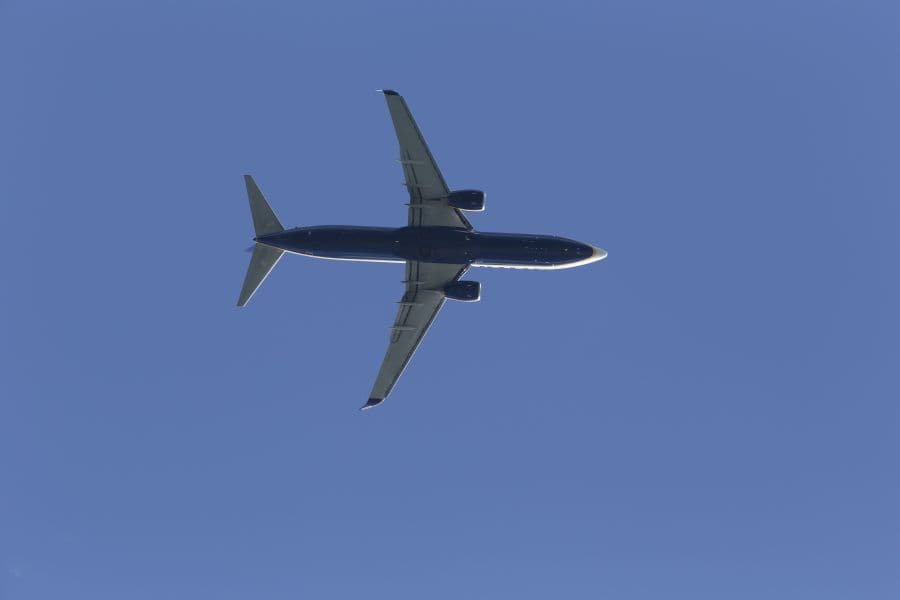
Airlines around the world are responding to a significant rise in fuel prices by increasing ticket costs. Notably, Australia’s Qantas Airways and Air New Zealand have recently announced price hikes, attributing these changes to escalating fuel expenses primarily driven by ongoing conflicts in the Middle East.
Fuel constitutes the second-largest operational cost for airlines, following labor expenses, typically accounting for approximately 20% to 25% of overall costs. While some major Asian and European carriers have implemented systems to hedge against oil price fluctuations, many American airlines have largely abandoned this practice over the past two decades.
Recent figures indicate that the price of jet fuel, which hovered around $85 to $90 per barrel before the conflict escalation, has surged dramatically to between $150 and $200 per barrel. This sharp increase has raised concerns about the viability of global travel, resulting in soaring ticket prices on certain routes and fears of widespread flight cancellations.
In response to these challenges, Qantas announced it is exploring options to reroute capacity to Europe, as both airlines and travelers seek to avoid disruptions caused by the conflict in the Middle East, where flight operations are limited due to drone and missile threats.
Routes between Asia and Europe have seen particularly steep price increases due to airspace closures and capacity constraints. Cathay Pacific Airways revealed plans to add additional flights to London and Zurich in March in an attempt to meet growing demand amidst these changes.
Air New Zealand has also adjusted its pricing structure, increasing one-way economy fares by 10 New Zealand dollars (approximately $6 USD) on domestic routes, 20 New Zealand dollars on short-haul international flights, and 90 New Zealand dollars on long-haul routes. Further adjustments in pricing, networks, and schedules may occur if fuel prices remain elevated.
Additionally, Hong Kong Airlines announced it would increase fuel surcharges by up to 35.2%, with the highest adjustments affecting flights between Hong Kong and destinations like the Maldives, Bangladesh, and Nepal. For instance, surcharges on these routes are set to rise from 284 Hong Kong dollars to 384 Hong Kong dollars (approximately $49 USD).
In a related development, U.S. President Donald Trump stated on March 11, 2024, that the conflict could end soon, which led to a temporary decrease in oil prices, dropping to around $90 per barrel from their peak of $119 earlier that week. This decline has positively influenced the stock prices of certain airlines, though the overall oil price remains significantly higher than prior to the outbreak of conflict.
As airlines navigate these turbulent times, the industry faces increasing pressure to balance operational costs with consumer demand, all while adapting to a rapidly changing geopolitical landscape.

Niksic Celebrates Cultural Legacy with Folklore Milestone

NLC Demands Urgent Wage Adjustments Amid Rising Living Costs

‘One Battle After Another’ Triumphs with Six Oscars at 98th Academy Awards

Rainy Monday in Alton Clears for Sunshine by Midweek

Residents Push for New Supermarket in Overcrowded Town

Jimmy Kimmel Critiques Trump at 98th Academy Awards Ceremony

Young People Face Job Market Challenges Due to Health Issues

Stars Shine at the 2026 Oscars: Adorable Couples Take Center Stage

Brooklyn Beckham Faces Backlash for Mother’s Day Message Snub

Andrew Pierce Confirms Departure from ITV’s Good Morning Britain

Fiona Phillips’ Husband Shares Heartfelt Update on Her Alzheimer’s Journey

Neurologist Warns Excessive Use of Supplements Can Harm Brain

Gogglebox Star Helena Worthington Announces Break After Loss

Brian Cox Addresses Claims of Alien Probe in 3I/ATLAS Discovery

NASA Investigates Unusual Comet 3I/ATLAS; New Findings Emerge

EastEnders Welcomes Back Mark Fowler Jr. with New Actor

Coronation Street Reveals Audrey Roberts’ Absence Explained

Tess Daly Honoured with MBE, Announces Departure from Strictly
-
 Entertainment4 months ago
Andrew Pierce Confirms Departure from ITV’s Good Morning Britain
-
 Health7 months ago
Fiona Phillips’ Husband Shares Heartfelt Update on Her Alzheimer’s Journey
-
 Health7 months ago
Neurologist Warns Excessive Use of Supplements Can Harm Brain
-
 Entertainment4 months ago
Gogglebox Star Helena Worthington Announces Break After Loss
-
 Science6 months ago
Brian Cox Addresses Claims of Alien Probe in 3I/ATLAS Discovery
-
 Science6 months ago
NASA Investigates Unusual Comet 3I/ATLAS; New Findings Emerge
-
 World3 months ago
EastEnders Welcomes Back Mark Fowler Jr. with New Actor
-
 Entertainment1 month ago
Coronation Street Reveals Audrey Roberts’ Absence Explained
-
 Entertainment5 months ago
Tess Daly Honoured with MBE, Announces Departure from Strictly
-

 Health7 months ago
TOWIE Couple Sophie Kasaei and Jordan Brook Pursue Fertility Treatment Abroad
-

 World5 months ago
Bailey and Rebecca Announce Heartbreaking Split After MAFS Reunion
-

 Entertainment9 months ago
Coleen Nolan Reflects on Family Tragedy and Reconciliation