
Lifestyle
Log Burner Owners Face Fines up to £1,000 for Improper Use

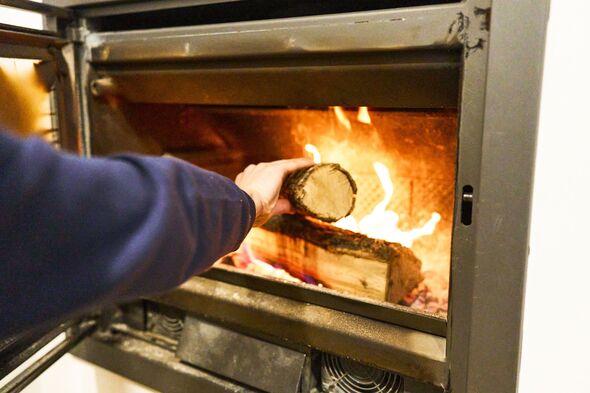
As colder temperatures settle in across the UK, many homeowners are turning to log burners for warmth. However, a warning has been issued that using unsuitable wood can lead to fines of up to £1,000. The Energy Saving Trust has informed the public that burning wet or inappropriate wood not only risks hefty penalties but also poses health and environmental dangers.
The UK government has intensified regulations surrounding the use of wood-burning stoves as part of its initiative to reduce emissions. This includes the introduction of the Ready to Burn certification scheme by the Department for Environment, Food & Rural Affairs (Defra). This scheme allows consumers to identify wood that meets the UK’s safety standards, specifically wood with a moisture content below 20%.
Understanding the Regulations
As temperatures drop, the use of wood-burning stoves increases, prompting local authorities to remind residents of the importance of compliance. Many towns and cities in the UK are designated as smoke-controlled areas, which restrict the types of fuel that can be burned. Households can only use fuels listed in the Defra “authorised fuels” list or stoves that are Defra-exempt and capable of burning wood cleanly.
Penalties for non-compliance can start at £175 for initial violations, escalating to £300 for subsequent offences. For those who repeatedly breach regulations, cases may be taken to court, with fines potentially reaching £5,000.
Best Practices for Wood Burning
To avoid these penalties, log burner owners are encouraged to use specific types of wood. Kiln-dried or seasoned hardwoods such as birch, ash, oak, and beech are optimal choices. These woods have low moisture content, allowing for hotter, more efficient burns that produce less smoke and creosote.
Additionally, consumers can opt for Ready to Burn logs, which guarantees a moisture content of 20% or less, ensuring they are suitable for immediate use. Natural softwoods like cedar, poplar, and pine serve well as kindling, making it easier to start a fire.
For those considering alternative fuel sources, untreated dry branches can be a viable option, provided they are properly seasoned and free from chemicals or mould.
As January approaches, homeowners are urged to review their wood-burning practices to align with regulations and avoid financial penalties while contributing to a cleaner environment.

Niksic Celebrates Cultural Legacy with Folklore Milestone

NLC Demands Urgent Wage Adjustments Amid Rising Living Costs

‘One Battle After Another’ Triumphs with Six Oscars at 98th Academy Awards

Rainy Monday in Alton Clears for Sunshine by Midweek

Residents Push for New Supermarket in Overcrowded Town

Jimmy Kimmel Critiques Trump at 98th Academy Awards Ceremony

Young People Face Job Market Challenges Due to Health Issues

Stars Shine at the 2026 Oscars: Adorable Couples Take Center Stage

Brooklyn Beckham Faces Backlash for Mother’s Day Message Snub

Andrew Pierce Confirms Departure from ITV’s Good Morning Britain

Coronation Street Reveals Audrey Roberts’ Absence Explained

Gogglebox Star Helena Worthington Announces Break After Loss

Fiona Phillips’ Husband Shares Heartfelt Update on Her Alzheimer’s Journey

Neurologist Warns Excessive Use of Supplements Can Harm Brain

Brian Cox Addresses Claims of Alien Probe in 3I/ATLAS Discovery

NASA Investigates Unusual Comet 3I/ATLAS; New Findings Emerge

EastEnders Welcomes Back Mark Fowler Jr. with New Actor

Tess Daly Honoured with MBE, Announces Departure from Strictly
-
 Entertainment7 months ago
Andrew Pierce Confirms Departure from ITV’s Good Morning Britain
-
 Entertainment4 months ago
Coronation Street Reveals Audrey Roberts’ Absence Explained
-
 Entertainment6 months ago
Gogglebox Star Helena Worthington Announces Break After Loss
-
 Health10 months ago
Fiona Phillips’ Husband Shares Heartfelt Update on Her Alzheimer’s Journey
-
 Health10 months ago
Neurologist Warns Excessive Use of Supplements Can Harm Brain
-
 Science8 months ago
Brian Cox Addresses Claims of Alien Probe in 3I/ATLAS Discovery
-
 Science8 months ago
NASA Investigates Unusual Comet 3I/ATLAS; New Findings Emerge
-
 World5 months ago
EastEnders Welcomes Back Mark Fowler Jr. with New Actor
-
 Entertainment8 months ago
Tess Daly Honoured with MBE, Announces Departure from Strictly
-

 Health5 months ago
Gyles Brandreth Shares Heartfelt Journey Following Grandson’s Cancer Diagnosis
-

 Entertainment10 months ago
Major Cast Changes at Coronation Street: Exits and Returns in 2025
-

 World8 months ago
EastEnders’ Nicola Mitchell Faces Life-Changing Pregnancy Twist