
Lifestyle
Smart Cities Embrace Slowness for Healthier Urban Living

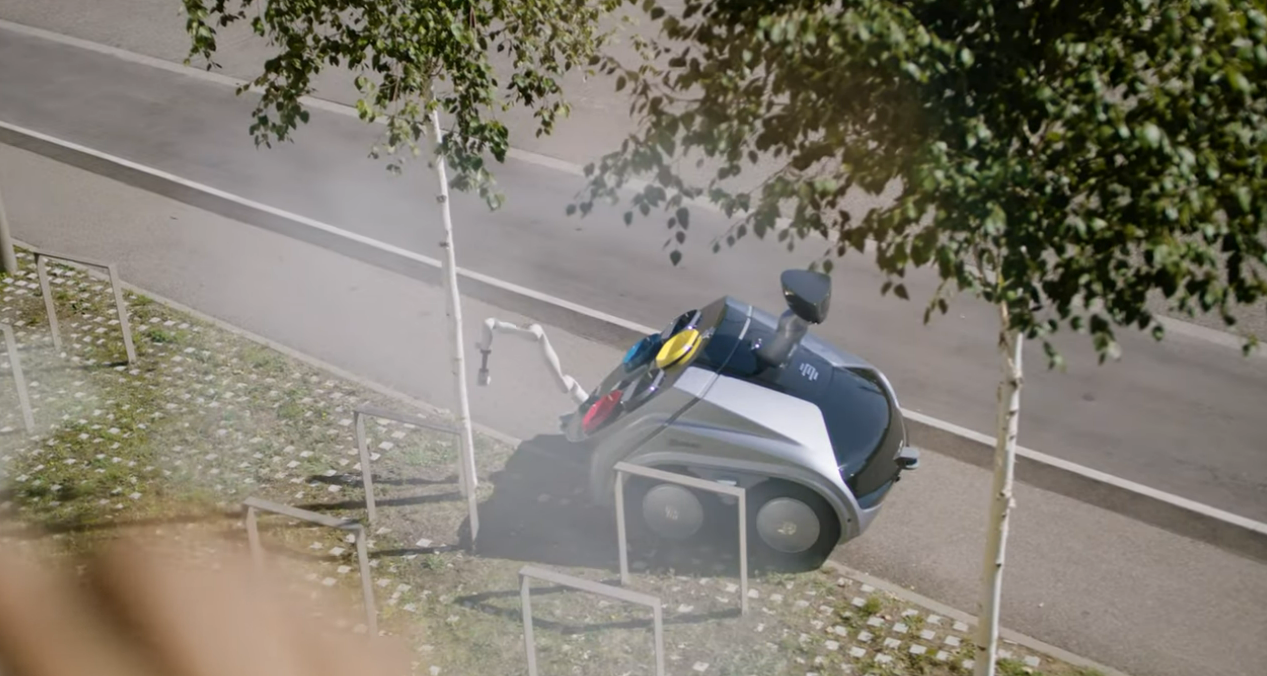
Cities around the world are redefining urban life by prioritizing slowness over speed, aiming to create healthier, more livable environments. In Pontevedra, Spain, a unique approach has transformed the urban landscape into a tranquil space where residents engage with their surroundings at a leisurely pace. This shift from fast-paced commuting to a focus on pedestrian-friendly design reflects a growing trend among city planners and mayors in cities like Helsinki, Oslo, and Paris.
Historically, urban planning emphasized speed and efficiency, resulting in congested roads, air pollution, and a decline in public spaces. The consequences of prioritizing speed became evident, prompting a reevaluation of what constitutes a “smart” city. In the past decade, leaders have begun to prioritize quality of life, with a surprising emphasis on delay as a metric for success.
Redefining Urban Mobility
In Paris, Mayor Anne Hidalgo has spearheaded the transformative 15-minute city initiative. This plan reimagines urban mobility, ensuring that essential services such as schools, parks, grocery stores, and healthcare facilities are all accessible within a 15-minute walk or bike ride. The goal is to enhance the quality of every moment spent within the city rather than merely saving time for other activities.
Oslo has adopted a similar strategy, prioritizing pedestrian and cyclist safety by significantly reducing car access in the city center. As a result, the urban core has become cleaner and safer, with a marked decrease in traffic-related fatalities. The decision to place people over vehicles has not only been progressive but has also proven successful in fostering community engagement.
Helsinki’s approach mirrors these efforts, with reduced speed limits and redesigned crossings that encourage interaction rather than isolation. The transformation of streets into inviting spaces has led to increased foot traffic in local businesses, fostering a sense of community. Residents now feel comfortable walking to school without fear, showcasing the social and economic resilience that arises from slower urban environments.
The Benefits of Slowness
The movement towards slowness, often referred to as “Slow Urbanism,” brings numerous benefits. By lowering emissions, enhancing safety, and nurturing stronger communities, cities are redefining progress. Research indicates that car-free streets can generate more revenue for local retailers compared to busy thoroughfares. When people are not rushing, they tend to linger, engage, and spend more intentionally.
Cities are also embracing technology to facilitate this slowness. Smart infrastructure, including digital signage and sensors to monitor air quality, supports a calm urban atmosphere. Mobile applications encourage residents to explore their neighborhoods more deliberately, transforming quick walks into enriching cultural experiences.
The “15-minute city” concept has inspired municipalities worldwide to rethink zoning regulations, promoting compact and livable spaces. This approach contrasts sharply with sprawling suburban developments and mega-malls, emphasizing dignified density and accessible public areas.
While not all cities can completely eliminate traffic or commuting, they can incorporate slower principles in specific areas such as cultural corridors, community streets, and pocket parks. Urban planners are increasingly recognizing that designing key sections for slowness can significantly enhance a city’s atmosphere and functionality.
Notably, embracing slowness does not equate to sacrificing efficiency. Instead, it allows for a more intentional flow of movement, where systems are designed to promote steady, organized progress. This shift represents a reevaluation of urban values, creating cities that are not just livable but also beloved by their inhabitants.
As cities adapt to accommodate slowness, they cultivate spaces that prioritize community interaction and well-being. Urban environments that embrace tranquility may ultimately thrive, understanding that ambition can manifest in peaceful plazas, shaded benches, and safe routes for children.
In this evolving landscape, cities that prioritize slowness may not be the fastest, but they could become the most cherished, proving that not all journeys need to be rushed.

Niksic Celebrates Cultural Legacy with Folklore Milestone

NLC Demands Urgent Wage Adjustments Amid Rising Living Costs

‘One Battle After Another’ Triumphs with Six Oscars at 98th Academy Awards

Rainy Monday in Alton Clears for Sunshine by Midweek

Residents Push for New Supermarket in Overcrowded Town

Jimmy Kimmel Critiques Trump at 98th Academy Awards Ceremony

Young People Face Job Market Challenges Due to Health Issues

Stars Shine at the 2026 Oscars: Adorable Couples Take Center Stage

Brooklyn Beckham Faces Backlash for Mother’s Day Message Snub

Andrew Pierce Confirms Departure from ITV’s Good Morning Britain

Coronation Street Reveals Audrey Roberts’ Absence Explained

Fiona Phillips’ Husband Shares Heartfelt Update on Her Alzheimer’s Journey

Gogglebox Star Helena Worthington Announces Break After Loss

Neurologist Warns Excessive Use of Supplements Can Harm Brain

Brian Cox Addresses Claims of Alien Probe in 3I/ATLAS Discovery

NASA Investigates Unusual Comet 3I/ATLAS; New Findings Emerge

EastEnders Welcomes Back Mark Fowler Jr. with New Actor

Tess Daly Honoured with MBE, Announces Departure from Strictly
-
 Entertainment6 months ago
Andrew Pierce Confirms Departure from ITV’s Good Morning Britain
-
 Entertainment4 months ago
Coronation Street Reveals Audrey Roberts’ Absence Explained
-
 Health10 months ago
Fiona Phillips’ Husband Shares Heartfelt Update on Her Alzheimer’s Journey
-
 Entertainment6 months ago
Gogglebox Star Helena Worthington Announces Break After Loss
-
 Health9 months ago
Neurologist Warns Excessive Use of Supplements Can Harm Brain
-
 Science8 months ago
Brian Cox Addresses Claims of Alien Probe in 3I/ATLAS Discovery
-
 Science8 months ago
NASA Investigates Unusual Comet 3I/ATLAS; New Findings Emerge
-
 World5 months ago
EastEnders Welcomes Back Mark Fowler Jr. with New Actor
-
 Entertainment7 months ago
Tess Daly Honoured with MBE, Announces Departure from Strictly
-
 Health4 months ago
Gyles Brandreth Shares Heartfelt Journey Following Grandson’s Cancer Diagnosis
-
 Entertainment10 months ago
Major Cast Changes at Coronation Street: Exits and Returns in 2025
-

 World7 months ago
EastEnders’ Nicola Mitchell Faces Life-Changing Pregnancy Twist