
Politics
Ukraine’s President Zelensky Seeks Support Amid Winter Challenges

Ukraine is facing a challenging winter as President Volodymyr Zelensky engages in urgent diplomatic talks with U.S. and European officials. On Monday, Zelensky met with key leaders in Berlin to discuss strategies for ending the protracted conflict with Russia. This follows a significant meeting with advisors from former President Donald Trump, where progress was reported on negotiations. Notably absent from the discussions is Russia, highlighting the escalating tensions between the two nations.
The crux of the negotiations revolves around what concessions Ukraine might be compelled to make in any potential peace agreement. U.S. officials have suggested that Ukraine consider ceding territories not currently occupied by Russia, a proposal that Zelensky and many European leaders find unacceptable, fearing it would reward Russian aggression. In a bid for security, Zelensky has indicated that Ukraine may pause its NATO membership aspirations if the U.S. can assure protection against future Russian assaults. European leaders largely support maintaining Ukraine’s current territorial integrity while seeking long-term security guarantees from the U.S.
The atmosphere in Ukraine is grim. Recent insights from former CIA executives Ralph Goff and Glenn Corn, who visited the country, reveal deep concerns among Ukrainians regarding both the war and internal political challenges. The ongoing corruption scandal linked to the Operation Midas investigation has exacerbated feelings of uncertainty. As one Ukrainian officer noted, “We just have to get through the winter and survive these dark times.”
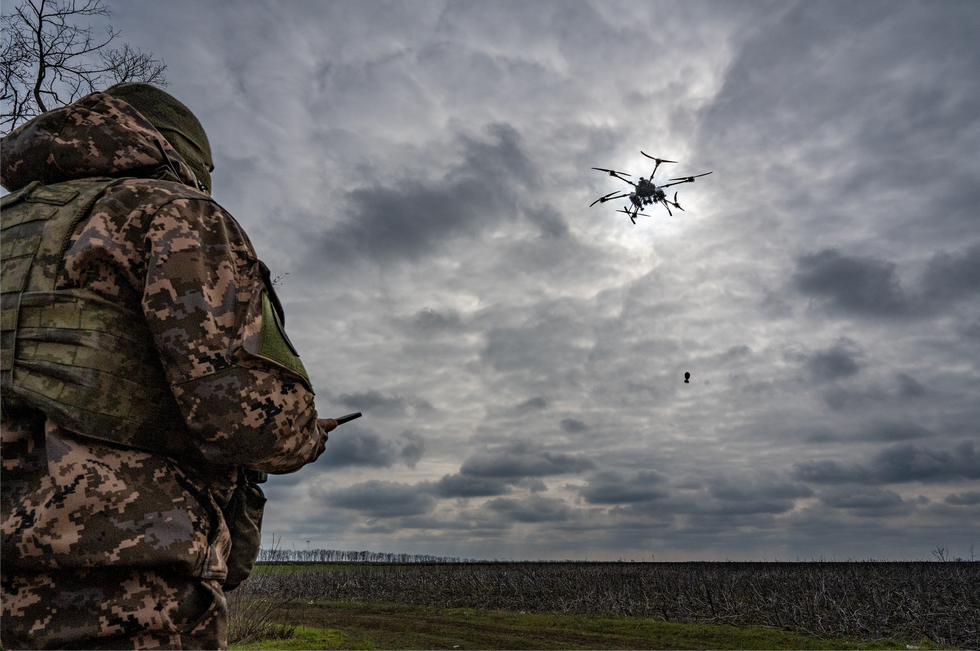
Ukrainians are expressing disappointment towards the U.S., feeling pressured to negotiate while simultaneously fighting an entrenched conflict. They have consistently requested air defense systems to counteract escalating Russian missile and drone attacks, which have intensified in recent months. The changing nature of warfare has shifted the focus from traditional infantry tactics to a reliance on drones and electronic warfare, transforming the battlefield dynamics significantly.
Goff highlighted that the current combat environment has become increasingly perilous, particularly within a 20-kilometer radius of the front lines, where human presence is often replaced with unmanned technology. Despite the ongoing war, the Ukrainian spirit remains resilient; civilians and military personnel alike are adapting quickly to the evolving demands of warfare. “The Ukrainians continue to innovate, but the Russians are also scaling their efforts,” said Corn, emphasizing the need for continued support from Western allies.
As Zelensky navigates complex diplomatic waters in Europe, there is a palpable sense of urgency within Ukraine regarding U.S. involvement. Citizens express fears that the U.S. might be withdrawing support, creating a rift between Europe and America. Ukrainians feel they have been made scapegoats in a conflict where they are the victims of aggression, raising calls for the U.S. to reaffirm its commitment to their sovereignty.
The recent resignation of Andriy Yermak, Zelensky’s chief advisor, amidst corruption allegations has further complicated the political landscape in Ukraine. Goff pointed out that despite internal challenges, Ukraine is actively working to address corruption at various levels, a process that is particularly challenging in the midst of war. “Ukrainians are fighting for their future and the integrity of their nation,” he stated.
As winter approaches, the resilience of the Ukrainian people is evident. Despite facing relentless attacks on their infrastructure, including energy facilities, they continue to display a commitment to normalcy, as seen in the ongoing holiday preparations throughout the country. The lights remain on in many areas, albeit with reduced hours.
Looking ahead, both Goff and Corn expressed concerns that without significant U.S. support, Ukraine may struggle to implement necessary reforms and sustain its defense efforts. The belief is that the Russians will not pursue peace unless they receive significant concessions, which puts pressure on Ukraine to hold firm. The hope among Ukrainians remains that international allies will recognize the importance of their struggle and provide the needed backing to secure a favorable outcome in the ongoing conflict.
In summary, as Ukraine braces for a harsh winter, the need for strategic support from allies remains critical. The ongoing negotiations and the evolving battlefield dynamics underscore the complexities facing Ukraine as it seeks to maintain its sovereignty against external pressures and internal challenges.

Niksic Celebrates Cultural Legacy with Folklore Milestone

NLC Demands Urgent Wage Adjustments Amid Rising Living Costs

‘One Battle After Another’ Triumphs with Six Oscars at 98th Academy Awards

Rainy Monday in Alton Clears for Sunshine by Midweek

Residents Push for New Supermarket in Overcrowded Town

Jimmy Kimmel Critiques Trump at 98th Academy Awards Ceremony

Young People Face Job Market Challenges Due to Health Issues

Stars Shine at the 2026 Oscars: Adorable Couples Take Center Stage

Brooklyn Beckham Faces Backlash for Mother’s Day Message Snub

Andrew Pierce Confirms Departure from ITV’s Good Morning Britain

Coronation Street Reveals Audrey Roberts’ Absence Explained

Fiona Phillips’ Husband Shares Heartfelt Update on Her Alzheimer’s Journey

Neurologist Warns Excessive Use of Supplements Can Harm Brain

Gogglebox Star Helena Worthington Announces Break After Loss

Brian Cox Addresses Claims of Alien Probe in 3I/ATLAS Discovery

NASA Investigates Unusual Comet 3I/ATLAS; New Findings Emerge

EastEnders Welcomes Back Mark Fowler Jr. with New Actor

Tess Daly Honoured with MBE, Announces Departure from Strictly
-
 Entertainment5 months ago
Andrew Pierce Confirms Departure from ITV’s Good Morning Britain
-
 Entertainment2 months ago
Coronation Street Reveals Audrey Roberts’ Absence Explained
-
 Health8 months ago
Fiona Phillips’ Husband Shares Heartfelt Update on Her Alzheimer’s Journey
-
 Health8 months ago
Neurologist Warns Excessive Use of Supplements Can Harm Brain
-
 Entertainment5 months ago
Gogglebox Star Helena Worthington Announces Break After Loss
-
 Science7 months ago
Brian Cox Addresses Claims of Alien Probe in 3I/ATLAS Discovery
-
 Science7 months ago
NASA Investigates Unusual Comet 3I/ATLAS; New Findings Emerge
-
 World4 months ago
EastEnders Welcomes Back Mark Fowler Jr. with New Actor
-
 Entertainment6 months ago
Tess Daly Honoured with MBE, Announces Departure from Strictly
-

 Health3 months ago
Gyles Brandreth Shares Heartfelt Journey Following Grandson’s Cancer Diagnosis
-

 World6 months ago
EastEnders’ Nicola Mitchell Faces Life-Changing Pregnancy Twist
-

 Health8 months ago
TOWIE Couple Sophie Kasaei and Jordan Brook Pursue Fertility Treatment Abroad