
Science
Ancient Skull Discovery Challenges Human Evolution Theories

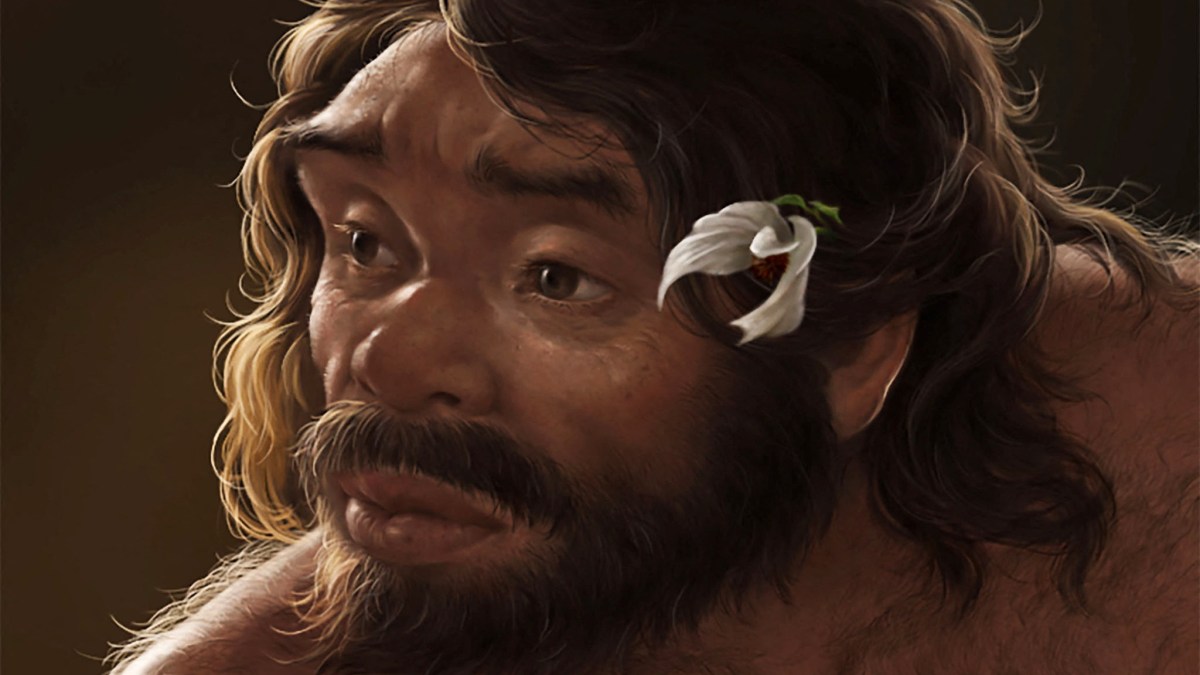
A skull discovered in China, known as Yunxian 2, is poised to reshape theories surrounding human evolution. This ancient find suggests that Homo sapiens may have emerged in Asia up to 400,000 years earlier than previously believed, challenging the long-held view that human evolution began in Africa.
Located in the Hunan province of China, the skull is estimated to be around 1 million years old. Researchers from a collaborative study, which includes contributions from Chinese archaeologists and international experts, published their findings in the prestigious Nature Journal. The implications of this discovery could significantly alter the understanding of human ancestry and migration patterns.
The Yunxian 2 skull displays distinct characteristics that align with early human traits. This discovery brings forth the possibility that Homo sapiens may have developed unique traits in different regions. The research team has emphasized that these findings do not discount the significance of Africa in human evolution but rather highlight a more complex narrative involving multiple locations.
The skull was found in a geological stratum containing other artifacts that suggest it may have belonged to a species that lived in a diverse ecosystem. The findings indicate that early humans were capable of adapting to various environments much earlier than previously thought. This adaptability could have implications for understanding how ancient populations spread across continents.
In light of these findings, the research team is calling for a reassessment of existing models of human evolution. They argue that if early human populations were present in Asia alongside those in Africa, then the timeline for human development requires significant revision.
The discovery of Yunxian 2 adds to a growing body of evidence that questions the singular narrative of human evolution centered on Africa. As researchers continue to explore this ancient skull, they hope to uncover more insights into the life and environment of early humans.
This research not only sheds light on the evolutionary history of our species but also raises questions about how migration patterns influenced the genetic diversity seen in modern humans. The implications of the Yunxian 2 find extend beyond academic interest; they touch on the fundamental aspects of what it means to be human.
As this story unfolds, further studies and excavations are expected to yield more information that could potentially rewrite parts of the human evolutionary timeline. The scientific community eagerly awaits the next chapters in this ongoing exploration of our origins.

Niksic Celebrates Cultural Legacy with Folklore Milestone

NLC Demands Urgent Wage Adjustments Amid Rising Living Costs

‘One Battle After Another’ Triumphs with Six Oscars at 98th Academy Awards

Rainy Monday in Alton Clears for Sunshine by Midweek

Residents Push for New Supermarket in Overcrowded Town

Jimmy Kimmel Critiques Trump at 98th Academy Awards Ceremony

Young People Face Job Market Challenges Due to Health Issues

Stars Shine at the 2026 Oscars: Adorable Couples Take Center Stage

Brooklyn Beckham Faces Backlash for Mother’s Day Message Snub

Andrew Pierce Confirms Departure from ITV’s Good Morning Britain

Coronation Street Reveals Audrey Roberts’ Absence Explained

Fiona Phillips’ Husband Shares Heartfelt Update on Her Alzheimer’s Journey

Gogglebox Star Helena Worthington Announces Break After Loss

Neurologist Warns Excessive Use of Supplements Can Harm Brain

Brian Cox Addresses Claims of Alien Probe in 3I/ATLAS Discovery

NASA Investigates Unusual Comet 3I/ATLAS; New Findings Emerge

EastEnders Welcomes Back Mark Fowler Jr. with New Actor

Tess Daly Honoured with MBE, Announces Departure from Strictly
-
 Entertainment6 months ago
Andrew Pierce Confirms Departure from ITV’s Good Morning Britain
-
 Entertainment3 months ago
Coronation Street Reveals Audrey Roberts’ Absence Explained
-
 Health9 months ago
Fiona Phillips’ Husband Shares Heartfelt Update on Her Alzheimer’s Journey
-
 Entertainment6 months ago
Gogglebox Star Helena Worthington Announces Break After Loss
-
 Health9 months ago
Neurologist Warns Excessive Use of Supplements Can Harm Brain
-
 Science7 months ago
Brian Cox Addresses Claims of Alien Probe in 3I/ATLAS Discovery
-
 Science7 months ago
NASA Investigates Unusual Comet 3I/ATLAS; New Findings Emerge
-
 World4 months ago
EastEnders Welcomes Back Mark Fowler Jr. with New Actor
-
 Entertainment7 months ago
Tess Daly Honoured with MBE, Announces Departure from Strictly
-

 Health4 months ago
Gyles Brandreth Shares Heartfelt Journey Following Grandson’s Cancer Diagnosis
-

 Entertainment9 months ago
Major Cast Changes at Coronation Street: Exits and Returns in 2025
-

 World7 months ago
EastEnders’ Nicola Mitchell Faces Life-Changing Pregnancy Twist