
Science
Revolutionary Molecular Cage Enhances Radioactive Antimony for Cancer Treatment

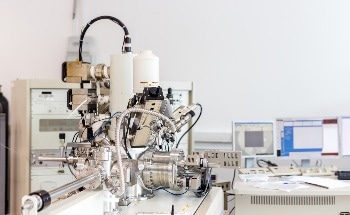
A team of researchers at the University of California, Berkeley has developed a groundbreaking molecular cage that effectively stabilizes radioactive antimony, specifically antimony-124, for use in targeted cancer therapy. This innovative approach aims to enhance the precision and effectiveness of treatments while minimizing harmful side effects.
The molecular cage technology is designed to encapsulate the radioactive isotope, which has shown promise in treating certain types of cancer. By stabilizing antimony-124, the researchers hope to improve its delivery to cancerous cells, thereby increasing the isotope’s therapeutic potential. This advancement could mark a significant step forward in the ongoing quest for more effective cancer treatments.
Key Features of the Molecular Cage
The newly developed molecular cage is composed of a unique combination of organic and inorganic materials, which work together to protect the radioactive antimony from decay until it reaches the targeted tumor site. According to Dr. Rachael Smith, a lead researcher at the Lawrence Berkeley National Laboratory, this technology allows for a more controlled release of the isotope, enhancing the overall treatment efficacy.
The research team conducted extensive laboratory tests to confirm the stability and effectiveness of the molecular cage. The results demonstrated that the encapsulated antimony-124 maintained its radioactivity longer than previously used methods, providing a crucial advantage in cancer therapy.
Potential Impact on Cancer Treatment
With cancer rates continuing to rise globally, innovative therapies are crucial in improving patient outcomes. The use of radioactive isotopes in treatment is not new; however, the ability to stabilize and target these isotopes represents a significant advancement. The introduction of this molecular cage could lead to more targeted therapies that effectively attack tumors while sparing healthy tissue.
The implications of this research extend beyond the laboratory. If successful in clinical trials, this technology could transform the landscape of cancer treatment, offering new hope to patients and healthcare providers alike.
While the development phase is promising, the research team emphasizes the importance of further studies to evaluate the safety and effectiveness of this treatment in human patients. They are currently seeking funding for clinical trials to bring this innovative therapy closer to reality.
As the scientific community continues to explore novel ways to combat cancer, the work at University of California, Berkeley underscores the potential of integrating advanced materials science with medical applications. This molecular cage technology could pave the way for a new generation of targeted cancer therapies, ultimately enhancing the quality of life for patients facing this challenging disease.

Niksic Celebrates Cultural Legacy with Folklore Milestone

NLC Demands Urgent Wage Adjustments Amid Rising Living Costs

‘One Battle After Another’ Triumphs with Six Oscars at 98th Academy Awards

Rainy Monday in Alton Clears for Sunshine by Midweek

Residents Push for New Supermarket in Overcrowded Town

Jimmy Kimmel Critiques Trump at 98th Academy Awards Ceremony

Young People Face Job Market Challenges Due to Health Issues

Stars Shine at the 2026 Oscars: Adorable Couples Take Center Stage

Brooklyn Beckham Faces Backlash for Mother’s Day Message Snub

Andrew Pierce Confirms Departure from ITV’s Good Morning Britain

Coronation Street Reveals Audrey Roberts’ Absence Explained

Fiona Phillips’ Husband Shares Heartfelt Update on Her Alzheimer’s Journey

Gogglebox Star Helena Worthington Announces Break After Loss

Neurologist Warns Excessive Use of Supplements Can Harm Brain

Brian Cox Addresses Claims of Alien Probe in 3I/ATLAS Discovery

NASA Investigates Unusual Comet 3I/ATLAS; New Findings Emerge

EastEnders Welcomes Back Mark Fowler Jr. with New Actor

Tess Daly Honoured with MBE, Announces Departure from Strictly
-
 Entertainment6 months ago
Andrew Pierce Confirms Departure from ITV’s Good Morning Britain
-
 Entertainment3 months ago
Coronation Street Reveals Audrey Roberts’ Absence Explained
-
 Health9 months ago
Fiona Phillips’ Husband Shares Heartfelt Update on Her Alzheimer’s Journey
-
 Entertainment6 months ago
Gogglebox Star Helena Worthington Announces Break After Loss
-
 Health9 months ago
Neurologist Warns Excessive Use of Supplements Can Harm Brain
-
 Science7 months ago
Brian Cox Addresses Claims of Alien Probe in 3I/ATLAS Discovery
-
 Science7 months ago
NASA Investigates Unusual Comet 3I/ATLAS; New Findings Emerge
-
 World4 months ago
EastEnders Welcomes Back Mark Fowler Jr. with New Actor
-
 Entertainment7 months ago
Tess Daly Honoured with MBE, Announces Departure from Strictly
-

 Health4 months ago
Gyles Brandreth Shares Heartfelt Journey Following Grandson’s Cancer Diagnosis
-

 Entertainment9 months ago
Major Cast Changes at Coronation Street: Exits and Returns in 2025
-

 World7 months ago
EastEnders’ Nicola Mitchell Faces Life-Changing Pregnancy Twist