
Top Stories
Brits Urged to Inform DWP of Changes to Avoid Losing Benefits

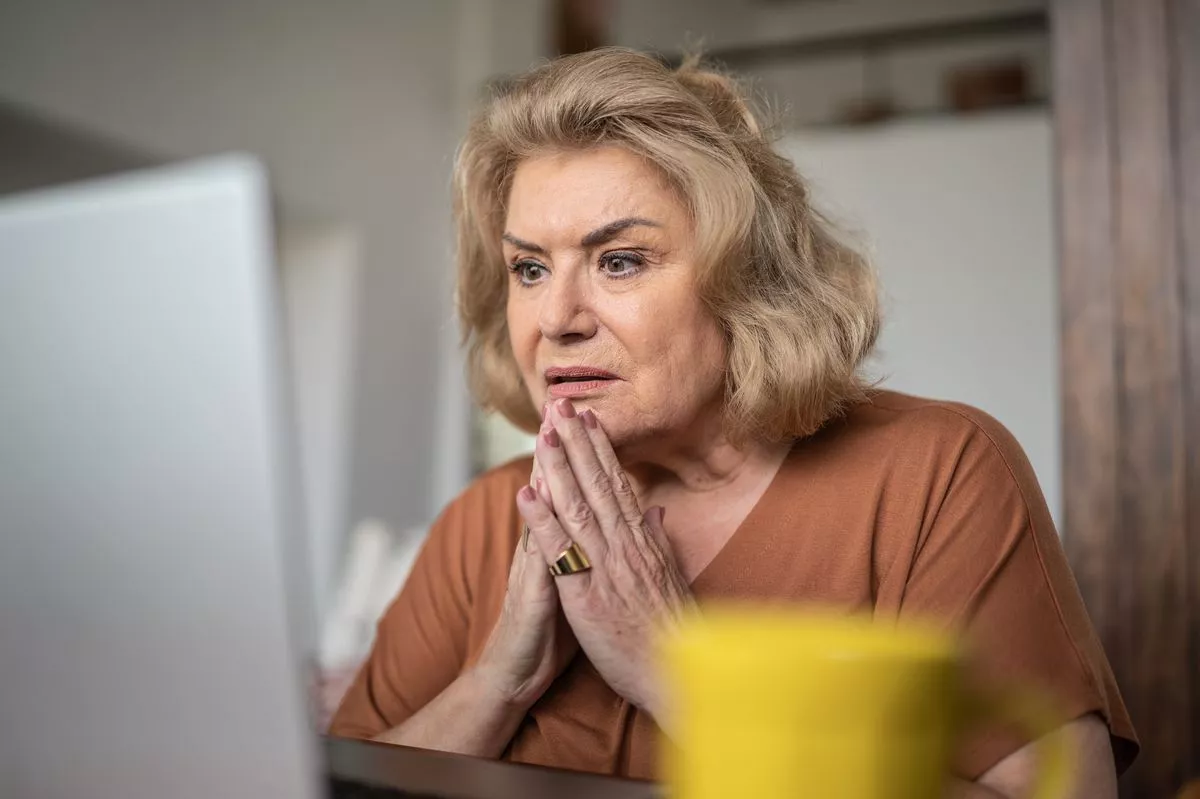
Individuals in the United Kingdom receiving benefits or pensions are being warned to promptly notify the Department for Work and Pensions (DWP) about any changes in their circumstances. Failure to do so could result in the suspension of essential payments, including State Pension, Universal Credit, and Personal Independence Payment (PIP). An estimated 24 million people rely on these financial supports to manage their living expenses, particularly during the festive season.
The DWP administers various benefits designed to assist individuals in low-income jobs or those who are unemployed. Payments like Universal Credit can be a vital resource for many, while disability benefits such as PIP and Attendance Allowance help cover additional costs linked to chronic illnesses or health conditions. These payments can facilitate access to necessary equipment, transportation, and other essential services.
The situation is serious, as highlighted by the Daily Record. Certain circumstances could lead the DWP to reduce or suspend benefit claims. For instance, if a claimant travels abroad for more than four weeks, their payments may be affected. Additionally, many individuals may be unaware that being admitted to a hospital—even for a single night—can also lead to a halt in their benefits unless they notify the appropriate authorities.
Understanding the Notification Process
The DWP has released guidance on its official GOV.UK website, detailing the responsibilities of benefit claimants who find themselves hospitalized. A critical note states: “Your claim might be stopped or reduced if you do not report a hospital stay.” To avoid complications, individuals receiving benefits must inform the DWP immediately if they experience any of the following situations:
- Admission to a hospital for one night or more.
- Entry into a care home or rehabilitation center for one night or more.
- Inability to attend a Jobcentre Plus appointment due to hospitalization or medical appointments.
If an individual is unable to make the call themselves, the DWP allows a family member or friend to report on their behalf.
Information Required for Reporting
When contacting the DWP, claimants should be prepared to provide specific details, including their full name, date of birth, National Insurance number, and, if applicable, their partner’s details. If someone is calling on behalf of the claimant, they must also provide their own name and contact information.
Claimants should furnish precise information regarding their hospital admission, such as:
- The exact date of admission.
- The date of discharge, if applicable.
- The name of the hospital where treatment occurred.
- The specific ward, if known.
- Details of any transfers between hospitals during their stay.
- Any subsequent admissions within the past 28 days.
- The discharge destination, whether it be home or a care facility.
According to DWP regulations, the reporting process may vary based on the type of benefits received. Individuals could be required to notify more than one organization if they receive multiple benefits. For detailed contact information and further guidance, individuals can visit the GOV.UK website.
As the holiday season approaches, ensuring that the DWP is kept informed of any changes is crucial to maintaining uninterrupted access to these vital financial supports.

Niksic Celebrates Cultural Legacy with Folklore Milestone

NLC Demands Urgent Wage Adjustments Amid Rising Living Costs

‘One Battle After Another’ Triumphs with Six Oscars at 98th Academy Awards

Rainy Monday in Alton Clears for Sunshine by Midweek

Residents Push for New Supermarket in Overcrowded Town

Jimmy Kimmel Critiques Trump at 98th Academy Awards Ceremony

Young People Face Job Market Challenges Due to Health Issues

Stars Shine at the 2026 Oscars: Adorable Couples Take Center Stage

Brooklyn Beckham Faces Backlash for Mother’s Day Message Snub

Andrew Pierce Confirms Departure from ITV’s Good Morning Britain

Coronation Street Reveals Audrey Roberts’ Absence Explained

Fiona Phillips’ Husband Shares Heartfelt Update on Her Alzheimer’s Journey

Neurologist Warns Excessive Use of Supplements Can Harm Brain

Gogglebox Star Helena Worthington Announces Break After Loss

Brian Cox Addresses Claims of Alien Probe in 3I/ATLAS Discovery

NASA Investigates Unusual Comet 3I/ATLAS; New Findings Emerge

EastEnders Welcomes Back Mark Fowler Jr. with New Actor

Tess Daly Honoured with MBE, Announces Departure from Strictly
-
 Entertainment5 months ago
Andrew Pierce Confirms Departure from ITV’s Good Morning Britain
-
 Entertainment2 months ago
Coronation Street Reveals Audrey Roberts’ Absence Explained
-
 Health8 months ago
Fiona Phillips’ Husband Shares Heartfelt Update on Her Alzheimer’s Journey
-
 Health8 months ago
Neurologist Warns Excessive Use of Supplements Can Harm Brain
-
 Entertainment5 months ago
Gogglebox Star Helena Worthington Announces Break After Loss
-
 Science7 months ago
Brian Cox Addresses Claims of Alien Probe in 3I/ATLAS Discovery
-
 Science7 months ago
NASA Investigates Unusual Comet 3I/ATLAS; New Findings Emerge
-
 World4 months ago
EastEnders Welcomes Back Mark Fowler Jr. with New Actor
-
 Entertainment6 months ago
Tess Daly Honoured with MBE, Announces Departure from Strictly
-

 Health3 months ago
Gyles Brandreth Shares Heartfelt Journey Following Grandson’s Cancer Diagnosis
-

 World6 months ago
EastEnders’ Nicola Mitchell Faces Life-Changing Pregnancy Twist
-

 Entertainment9 months ago
Major Cast Changes at Coronation Street: Exits and Returns in 2025