
World
Carney Advocates for New Global Trade Framework Beyond US

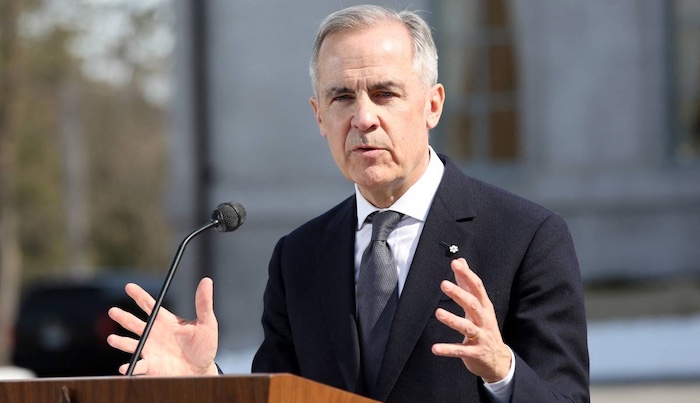
Canadian Prime Minister Mark Carney is advocating for a significant transformation in global trade dynamics, aiming to reduce reliance on the United States. During discussions tied to the recent international meetings in Davos, Carney highlighted the necessity for deeper economic ties with nations beyond Canada’s southern neighbor, particularly focusing on China and smaller, multilateral trade agreements.
Carney’s initiative emerges in response to the substantial tariffs imposed by former President Donald Trump, which have reshaped trade relations. He expressed concerns about the erosion of long-standing multilateral trading systems, stating that “plurilateral” agreements—those involving multiple countries with shared interests—could be a viable path forward for Canada. His vision positions Canada as a potential leader in a new global trading order.
Canada’s Trade Landscape and Future Aspirations
Despite Carney’s push for diversification, Canada remains heavily reliant on the United States, with nearly 70% of its exports directed south. This dependence raises significant challenges, as economists warn that broadening trade relationships will necessitate substantial engagement with major economies like China. Carney’s strategy includes acting as a bridge between the European Union and nations in the Pacific Rim, fostering cooperation in trade initiatives that could benefit all parties involved.
The current geopolitical climate, influenced by aggressive trade policies from the United States, including renewed interest in territories such as Greenland, has prompted allies like Canada to explore new economic partnerships. The European Union is also accelerating its trade efforts, indicating a collective shift towards enhancing trade with diverse partners.
Challenges Ahead for Canada
While Canada has recently secured trade agreements with countries such as Ecuador and Indonesia, experts caution that the United States will continue to dominate Canada’s trading landscape for the foreseeable future. The necessity to diversify trade ties is critical, yet it presents challenges regarding market stability and the risk of overexposure to new economic partners.
As Canada navigates this complex landscape, Carney’s vision for a more interconnected global trade framework may pave the way for a more resilient economy. However, the path forward involves careful consideration of Canada’s existing dependencies and the implications of shifting trade relationships.
In summary, Carney’s push for a new global trading order reflects a strategic response to changing international dynamics, underscoring the importance of diversifying trade while acknowledging the significant hurdles that remain.

Niksic Celebrates Cultural Legacy with Folklore Milestone

NLC Demands Urgent Wage Adjustments Amid Rising Living Costs

‘One Battle After Another’ Triumphs with Six Oscars at 98th Academy Awards

Rainy Monday in Alton Clears for Sunshine by Midweek

Residents Push for New Supermarket in Overcrowded Town

Jimmy Kimmel Critiques Trump at 98th Academy Awards Ceremony

Young People Face Job Market Challenges Due to Health Issues

Stars Shine at the 2026 Oscars: Adorable Couples Take Center Stage

Brooklyn Beckham Faces Backlash for Mother’s Day Message Snub

Andrew Pierce Confirms Departure from ITV’s Good Morning Britain

Fiona Phillips’ Husband Shares Heartfelt Update on Her Alzheimer’s Journey

Neurologist Warns Excessive Use of Supplements Can Harm Brain

Gogglebox Star Helena Worthington Announces Break After Loss

Brian Cox Addresses Claims of Alien Probe in 3I/ATLAS Discovery

NASA Investigates Unusual Comet 3I/ATLAS; New Findings Emerge

EastEnders Welcomes Back Mark Fowler Jr. with New Actor

Coronation Street Reveals Audrey Roberts’ Absence Explained

Tess Daly Honoured with MBE, Announces Departure from Strictly
-
 Entertainment4 months ago
Andrew Pierce Confirms Departure from ITV’s Good Morning Britain
-
 Health8 months ago
Fiona Phillips’ Husband Shares Heartfelt Update on Her Alzheimer’s Journey
-
 Health7 months ago
Neurologist Warns Excessive Use of Supplements Can Harm Brain
-
 Entertainment4 months ago
Gogglebox Star Helena Worthington Announces Break After Loss
-
 Science6 months ago
Brian Cox Addresses Claims of Alien Probe in 3I/ATLAS Discovery
-
 Science6 months ago
NASA Investigates Unusual Comet 3I/ATLAS; New Findings Emerge
-
 World3 months ago
EastEnders Welcomes Back Mark Fowler Jr. with New Actor
-
 Entertainment2 months ago
Coronation Street Reveals Audrey Roberts’ Absence Explained
-
 Entertainment5 months ago
Tess Daly Honoured with MBE, Announces Departure from Strictly
-

 World5 months ago
EastEnders’ Nicola Mitchell Faces Life-Changing Pregnancy Twist
-

 Health8 months ago
TOWIE Couple Sophie Kasaei and Jordan Brook Pursue Fertility Treatment Abroad
-

 World5 months ago
Bailey and Rebecca Announce Heartbreaking Split After MAFS Reunion