
World
Putin Rejects Peace Proposal, Intensifies Attacks on Ukraine

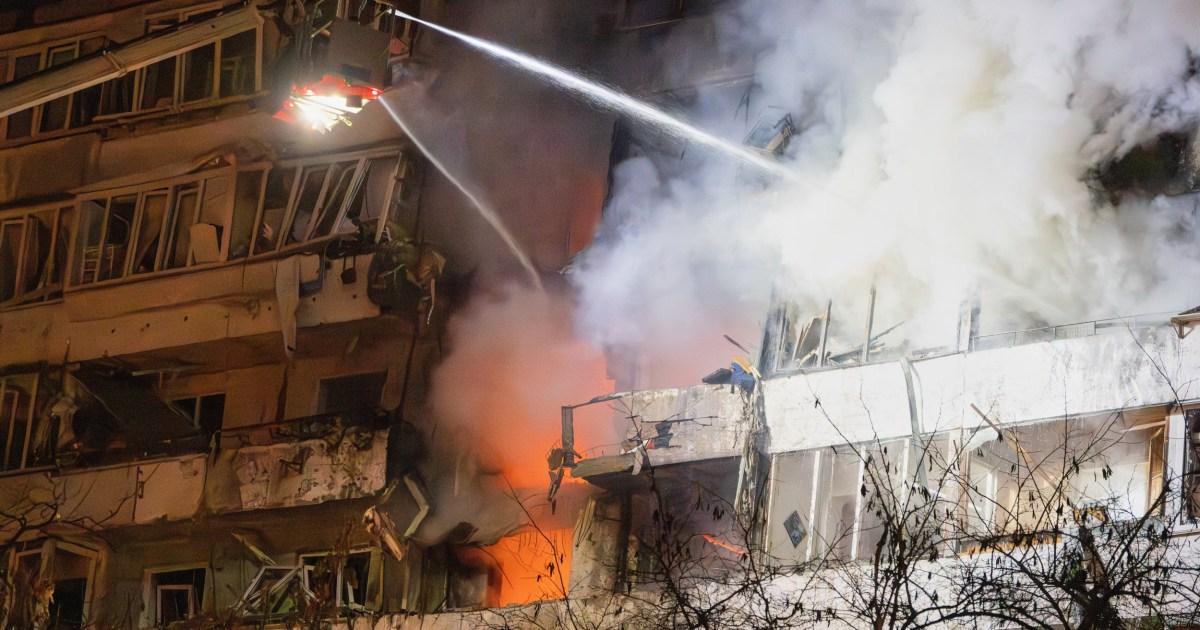
Vladimir Putin has dismissed a European peace proposal aimed at resolving the ongoing conflict in Ukraine, opting instead for a military escalation that resulted in the deaths of at least four individuals in Kharkiv. This aerial bombardment occurred following stalled negotiations in Geneva, highlighting the deepening impasse in diplomatic efforts to end the war.
In response to the deteriorating situation, the United Kingdom, Germany, and France introduced significant amendments to the White House’s original 28-point peace plan, which had been developed in consultation with the Kremlin. Among the proposed changes is a measure to permanently exclude Russia from rejoining the G8, a consequence of its annexation of Crimea in 2014. Furthermore, the plan suggests increasing the cap on Ukraine’s armed forces from 600,000 to 800,000 personnel.
Ukrainian Deputy Foreign Minister Sergiy Kyslytsa expressed skepticism, stating that “very few things are left” from the initial proposal, and indicated that acceptance of the revised plan by Putin appears unlikely. The Kremlin has already characterized the new framework as “completely unconstructive,” further diminishing hopes for a peaceful resolution.
Escalating Violence Amid Diplomatic Efforts
As the conflict intensifies, Russian drone strikes have targeted civilian areas, including a multi-storey residential building in Kyiv. Firefighters responded to the scene, assisting residents in evacuating as explosions rocked the city. The violence underscores the urgency of the situation, with casualties mounting amid ongoing military operations.
Ukrainian President Volodymyr Zelensky may travel to Washington, D.C., this week for discussions with U.S. President Donald Trump in an attempt to break the deadlock. However, the White House confirmed that no formal meeting has been scheduled yet. U.S. and Ukrainian officials have been working on a separate 19-point peace plan, described as a “refined peace framework,” as talks in Geneva continue under the leadership of U.S. Secretary of State Marc Rubio.
Despite these efforts, German Chancellor Friedrich Merz has voiced concerns that the U.S. remains the only country advocating for Russia’s reintegration into the G8, complicating the negotiations further. Moreover, some U.S. proposals reportedly conflict with Ukraine’s demands, including concessions on territorial integrity and commitments regarding NATO membership.
During a video call with allied leaders, Zelensky emphasized the need for continued collaboration, particularly with the United States, to identify compromises that would fortify Ukraine’s position rather than weaken it. He reiterated that Russia must be held accountable for its actions and urged European nations to utilize frozen Kremlin assets to support Ukraine’s defense.
In the context of the diplomatic discussions, a spokesman for UK Prime Minister Keir Starmer remarked, “As the U.S.-Ukraine joint statement makes clear, yesterday’s talks were a major step towards a just and lasting peace for Ukraine.”
As the situation evolves, the international community remains vigilant, monitoring the developments closely while weighing the implications of the ongoing violence on regional stability and humanitarian conditions.

New Analysis Reshapes Understanding of Ancient Egyptian Civilization

Formula 1 Secures Future with New Concorde Agreement to 2030

King Charles Announces Reduced Cancer Treatment Schedule

Lovćen Dominates Brskovo with 47-28 Victory in Handball League

Older Adults Share Their Biggest Annoyances as They Age

Snoop Dogg Celebrates Tennis Legacy, Remembers Ivan Lendl

Scientists Uncover Shape Imbalance Driving Viral Infection Speed

Salah Rejoins Liverpool Squad After Talks with Manager Slot

Authorities Uncover £3.5 Million Cannabis Farm in Wales

Neurologist Warns Excessive Use of Supplements Can Harm Brain

Fiona Phillips’ Husband Shares Heartfelt Update on Her Alzheimer’s Journey

Brian Cox Addresses Claims of Alien Probe in 3I/ATLAS Discovery

NASA Investigates Unusual Comet 3I/ATLAS; New Findings Emerge

Scientists Examine 3I/ATLAS: Alien Artifact or Cosmic Oddity?

Lewis Cope Addresses Accusations of Dance Training Advantage

Kerry Katona Discusses Future Baby Plans and Brian McFadden’s Wedding

NASA Investigates Speedy Object 3I/ATLAS, Sparking Speculation

Emmerdale Faces Tension as Dylan and April’s Lives Hang in the Balance
-
 Health3 months ago
Neurologist Warns Excessive Use of Supplements Can Harm Brain
-
 Health4 months ago
Fiona Phillips’ Husband Shares Heartfelt Update on Her Alzheimer’s Journey
-
 Science2 months ago
Brian Cox Addresses Claims of Alien Probe in 3I/ATLAS Discovery
-
 Science2 months ago
NASA Investigates Unusual Comet 3I/ATLAS; New Findings Emerge
-
 Science2 months ago
Scientists Examine 3I/ATLAS: Alien Artifact or Cosmic Oddity?
-
 Entertainment2 months ago
Lewis Cope Addresses Accusations of Dance Training Advantage
-
 Entertainment5 months ago
Kerry Katona Discusses Future Baby Plans and Brian McFadden’s Wedding
-
 Science2 months ago
NASA Investigates Speedy Object 3I/ATLAS, Sparking Speculation
-
 Entertainment5 months ago
Emmerdale Faces Tension as Dylan and April’s Lives Hang in the Balance
-

 World3 months ago
Cole Palmer’s Cryptic Message to Kobbie Mainoo Following Loan Talks
-

 World4 weeks ago
Bailey and Rebecca Announce Heartbreaking Split After MAFS Reunion
-
 Science2 months ago
NASA Scientists Explore Origins of 3I/ATLAS, a Fast-Moving Visitor