
World
Rivers Rejuvenated: Major Restoration Effort in Cotswolds

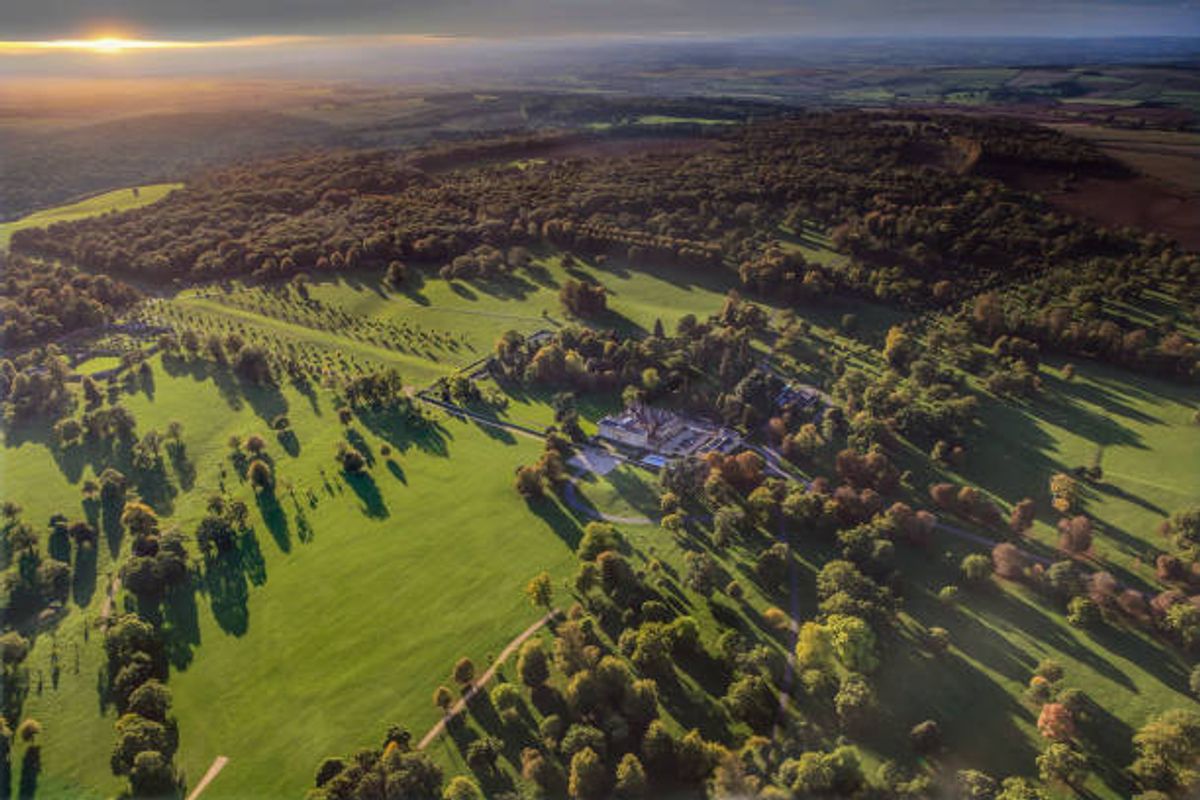
Work has commenced on a significant restoration project aimed at rehabilitating the Evenlode, Glyme, and Dorn rivers across farmland in the North Cotswolds. This initiative is part of a major government-backed programme, which seeks to address critical environmental issues such as flooding, soil erosion, declining water quality, and biodiversity loss over an area exceeding 3,000 hectares.
The Evenlode project unites more than 50 tenants, farmers, and land managers from the North East Cotswold Farmer Cluster. These participants are set to benefit from a share of £100 million in public funding over the next two decades. The funding will support a variety of measures, including reconnecting rivers to flood plains and planting trees and diverse habitats upstream. These actions are designed to manage water flow and enhance local wildlife.
Farmers in the area have reported alarming trends, with some fields experiencing flooding in nine out of the last ten years. One farmer noted that a single field was inundated nine times during the winter of 2023-24. The restoration effort aims not only to protect farmland and restore nature but also to attract innovative private financing that can support emerging nature markets.
Tim Coates, a director of the North East Cotswold Farmer Cluster and a farmer himself, emphasized the project’s importance. He described it as one of the first in a series of landscape recovery projects and praised the collaboration among land managers. “We are showing how river restoration creates a bigger, better, and more joined-up approach,” he stated. Coates expressed optimism that the model could be replicated in other regions of the country, given the competing land use in lowland England.
Officials from the Environment Agency, the Environment Department, and Natural England attended the project launch on Tuesday, witnessing firsthand the impact of flooding on local fields. Alan Lovell, chairman of the Environment Agency, highlighted the collaborative effort involved in the project. “This is a joint effort of many parties,” he said, adding that the successful collaboration represents a significant advantage for future initiatives.
The Evenlode project is the third and largest to reach the implementation phase under the taxpayer-funded “landscape recovery” programme. This initiative is part of a broader post-Brexit environmental land management scheme that aims to replace former EU agricultural subsidies. The landscape recovery component focuses on projects that restore nature across entire landscapes while attracting private finance to support the efforts, aligning with legal targets to halt declines in wildlife.
Previous projects include the Boothby Wildland initiative in Lincolnshire, which aims to rewild 600 hectares, and a nature restoration effort covering 2,800 hectares in Upper Duddon, Cumbria. The Evenlode project encompasses a range of habitats, including woodlands, limestone grasslands, lowland meadows, and fens. The planned work aims to support endangered species such as native crayfish, water voles, and fen violets.
Engagement with local communities is another vital aspect of the project. The area features hundreds of miles of footpaths interspersed with QR codes linking to educational resources and project stories. This initiative fosters awareness and involvement among residents.
Tim Field, facilitator of the North East Cotswold Farmer Cluster, explained how farmers are allowing certain fields to flood, effectively sacrificing arable land to benefit the ecosystem. Flooded areas will attract wading birds and other wildlife while capturing river sediment laden with pollutants. This approach not only enriches the soil but also removes harmful substances from the watercourse before they flow downstream.
When dry, livestock will graze on the grass crops, and floodplain meadow flowers will thrive, supporting insects and pollinators. Field noted that these efforts contribute to carbon capture through wetlands and grasslands.
Upstream, restoration work focuses on tributaries along steeper slopes. This includes creating stormwater storage areas on field edges and planting 250 hectares of trees, alongside an additional 500 hectares of pasture and wood parkland. “This will improve the land’s ability to absorb floodwaters and store them for drought years,” Field explained. “We’re trying to encourage the water to stay in the landscape, rather than flowing downstream.”
While government funding will help initiate the scheme, the project aims to secure private financing over time. This will involve selling “biodiversity net gain” credits, a requirement for developers to enhance nature during housing or other projects, and “carbon” sales, where high-emission companies invest in carbon-absorbing restoration efforts.
The Evenlode project represents a crucial step in addressing environmental challenges while fostering collaboration among farmers and land managers. As this initiative unfolds, it may pave the way for similar projects across the country, contributing to a more sustainable and biodiverse future.

Niksic Celebrates Cultural Legacy with Folklore Milestone

NLC Demands Urgent Wage Adjustments Amid Rising Living Costs

‘One Battle After Another’ Triumphs with Six Oscars at 98th Academy Awards

Rainy Monday in Alton Clears for Sunshine by Midweek

Residents Push for New Supermarket in Overcrowded Town

Jimmy Kimmel Critiques Trump at 98th Academy Awards Ceremony

Young People Face Job Market Challenges Due to Health Issues

Stars Shine at the 2026 Oscars: Adorable Couples Take Center Stage

Brooklyn Beckham Faces Backlash for Mother’s Day Message Snub

Andrew Pierce Confirms Departure from ITV’s Good Morning Britain

Fiona Phillips’ Husband Shares Heartfelt Update on Her Alzheimer’s Journey

Neurologist Warns Excessive Use of Supplements Can Harm Brain

Gogglebox Star Helena Worthington Announces Break After Loss

Brian Cox Addresses Claims of Alien Probe in 3I/ATLAS Discovery

NASA Investigates Unusual Comet 3I/ATLAS; New Findings Emerge

EastEnders Welcomes Back Mark Fowler Jr. with New Actor

Coronation Street Reveals Audrey Roberts’ Absence Explained

Tess Daly Honoured with MBE, Announces Departure from Strictly
-
 Entertainment4 months ago
Andrew Pierce Confirms Departure from ITV’s Good Morning Britain
-
 Health8 months ago
Fiona Phillips’ Husband Shares Heartfelt Update on Her Alzheimer’s Journey
-
 Health7 months ago
Neurologist Warns Excessive Use of Supplements Can Harm Brain
-
 Entertainment4 months ago
Gogglebox Star Helena Worthington Announces Break After Loss
-
 Science6 months ago
Brian Cox Addresses Claims of Alien Probe in 3I/ATLAS Discovery
-
 Science6 months ago
NASA Investigates Unusual Comet 3I/ATLAS; New Findings Emerge
-
 World3 months ago
EastEnders Welcomes Back Mark Fowler Jr. with New Actor
-
 Entertainment2 months ago
Coronation Street Reveals Audrey Roberts’ Absence Explained
-
 Entertainment5 months ago
Tess Daly Honoured with MBE, Announces Departure from Strictly
-

 World5 months ago
EastEnders’ Nicola Mitchell Faces Life-Changing Pregnancy Twist
-

 Health8 months ago
TOWIE Couple Sophie Kasaei and Jordan Brook Pursue Fertility Treatment Abroad
-

 World5 months ago
Bailey and Rebecca Announce Heartbreaking Split After MAFS Reunion