
World
Roy Keane Addresses 28-Year Feud with Erling Haaland’s Father

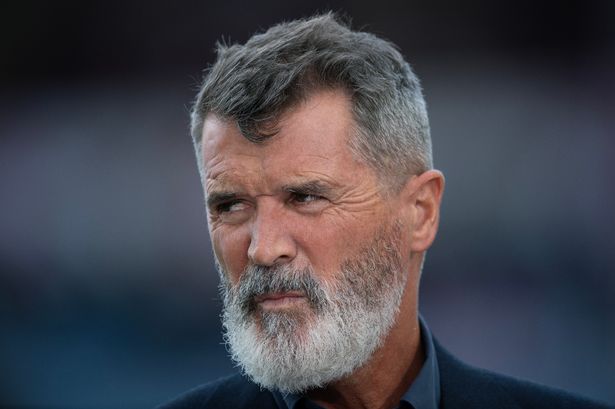
Roy Keane has publicly clarified his stance on the infamous incident involving Alf-Inge Haaland that ignited a bitter feud spanning nearly three decades. The former Manchester United midfielder insists that he never intended to seriously injure Haaland during a match in 2001, despite the lasting animosity that has ensued.
The animosity began in 1997, when Keane suffered a serious knee injury while playing against Leeds United. Alf-Inge Haaland, then a player for Leeds, stood over Keane and accused him of faking his injury. This confrontation sparked a profound fury within Keane, leading to a dramatic encounter in a Manchester derby four years later, when both players were representing rival clubs—Keane for Manchester United and Haaland for Manchester City.
During the 2001 match at Old Trafford, Keane lunged at Haaland, resulting in a red card for a violent tackle that left Haaland with significant injury. In his autobiography published in 2002, Keane confessed that the tackle was indeed premeditated. He stated, “I’d waited long enough. I f****** hit him hard. Take that, you c***.” This admission led to a three-match ban and a fine of £5,000, which was later increased to £150,000 and an extended suspension after he acknowledged malicious intent.
Despite the consequences, Keane maintains that his actions did not aim to cause long-term harm. Speaking on the Stick to Football podcast, he expressed, “I still don’t think it was a bad tackle, I really don’t. There’s a difference between hurting somebody and injuring somebody.” He emphasized that his intent was to assert himself on the pitch, rather than to inflict serious damage.
Haaland, who ultimately retired in 2003 due to a separate leg injury, has a differing perspective on the incident. Reflecting on the 2001 tackle, he stated, “I haven’t played a full 90 minutes after that incident, that’s the hard fact. Obviously, I found out afterwards that it was with intent and he was seeking revenge.” Haaland noted that the repercussions from Keane’s tackle impacted his career significantly, raising questions about the connection between the infamous incident and his own injuries.
Further complicating the narrative, Keane argues that Haaland was able to continue playing shortly after the tackle, having played for Norway just four days later. “Haaland finished the game and played four days later,” Keane said, suggesting that the tackle could not have been as damaging as claimed.
As the two former players continue to reflect on their tumultuous history, the debate surrounding the incident remains a significant chapter in football history, showcasing the intense emotions and rivalries that can define the sport. Their stories serve as a reminder of the fine line between aggression and injury in competitive sports, inviting ongoing discussion about player conduct and accountability.

Niksic Celebrates Cultural Legacy with Folklore Milestone

NLC Demands Urgent Wage Adjustments Amid Rising Living Costs

‘One Battle After Another’ Triumphs with Six Oscars at 98th Academy Awards

Rainy Monday in Alton Clears for Sunshine by Midweek

Residents Push for New Supermarket in Overcrowded Town

Jimmy Kimmel Critiques Trump at 98th Academy Awards Ceremony

Young People Face Job Market Challenges Due to Health Issues

Stars Shine at the 2026 Oscars: Adorable Couples Take Center Stage

Brooklyn Beckham Faces Backlash for Mother’s Day Message Snub

Andrew Pierce Confirms Departure from ITV’s Good Morning Britain

Coronation Street Reveals Audrey Roberts’ Absence Explained

Fiona Phillips’ Husband Shares Heartfelt Update on Her Alzheimer’s Journey

Gogglebox Star Helena Worthington Announces Break After Loss

Neurologist Warns Excessive Use of Supplements Can Harm Brain

Brian Cox Addresses Claims of Alien Probe in 3I/ATLAS Discovery

NASA Investigates Unusual Comet 3I/ATLAS; New Findings Emerge

EastEnders Welcomes Back Mark Fowler Jr. with New Actor

Tess Daly Honoured with MBE, Announces Departure from Strictly
-
 Entertainment6 months ago
Andrew Pierce Confirms Departure from ITV’s Good Morning Britain
-
 Entertainment3 months ago
Coronation Street Reveals Audrey Roberts’ Absence Explained
-
 Health9 months ago
Fiona Phillips’ Husband Shares Heartfelt Update on Her Alzheimer’s Journey
-
 Entertainment5 months ago
Gogglebox Star Helena Worthington Announces Break After Loss
-
 Health9 months ago
Neurologist Warns Excessive Use of Supplements Can Harm Brain
-
 Science7 months ago
Brian Cox Addresses Claims of Alien Probe in 3I/ATLAS Discovery
-
 Science7 months ago
NASA Investigates Unusual Comet 3I/ATLAS; New Findings Emerge
-
 World4 months ago
EastEnders Welcomes Back Mark Fowler Jr. with New Actor
-
 Entertainment7 months ago
Tess Daly Honoured with MBE, Announces Departure from Strictly
-

 Health4 months ago
Gyles Brandreth Shares Heartfelt Journey Following Grandson’s Cancer Diagnosis
-

 Entertainment9 months ago
Major Cast Changes at Coronation Street: Exits and Returns in 2025
-

 World7 months ago
EastEnders’ Nicola Mitchell Faces Life-Changing Pregnancy Twist