
World
UK MPs Reject Under-16 Social Media Ban, Favor Ministerial Oversight

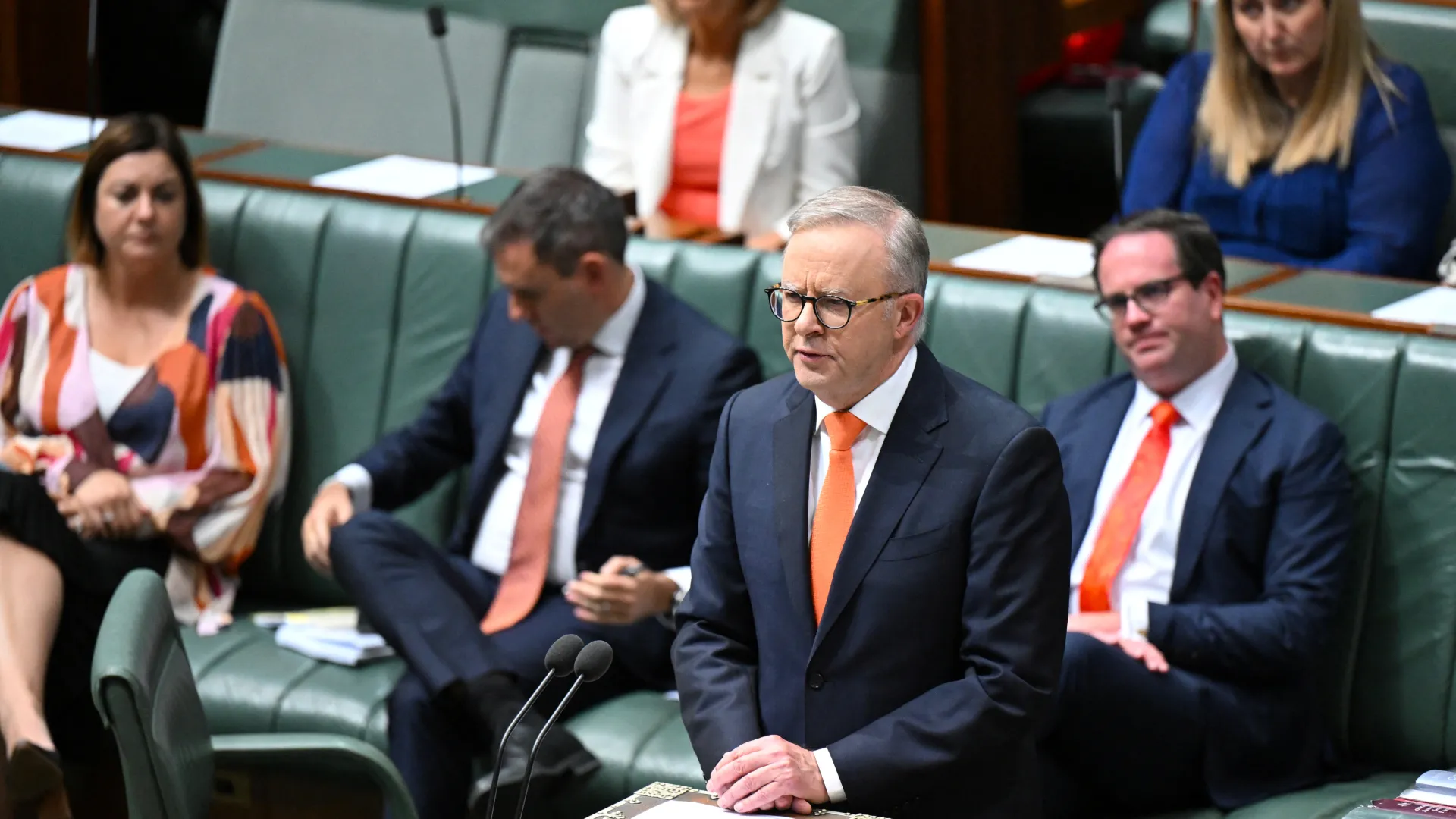
Members of the UK Parliament have voted against a proposal to implement a ban on social media usage for children under the age of 16. Instead, they have supported a plan that grants government ministers greater regulatory powers over online platforms. The proposed ban aimed to restrict access to popular sites such as TikTok, Instagram, and Snapchat, similar to measures introduced in Australia in late 2022.
The Australian government became the first in the world to enforce such restrictions, prompting discussions in the UK Parliament about adopting a similar approach. Earlier this year, the idea garnered support from various members of the House of Lords, including notable public figures like actor Hugh Grant, who has advocated for stronger online protections for children.
Despite the backing from some quarters, critics, including the National Society for the Prevention of Cruelty to Children (NSPCC), raised concerns that a blanket ban could inadvertently push young users towards less regulated areas of the internet. The proposed restrictions were introduced as amendments to the Children’s Wellbeing and Schools Bill, sparking a lively debate in the House of Commons.
During the debate, Education Minister Olivia Bailey urged Parliament to reject the outright ban in favor of a more flexible regulatory framework. She highlighted that while many parents and advocacy groups support a complete prohibition, there are warnings about the unintended consequences of such a measure. Some children’s charities argue that a total ban might lead teenagers to unregulated online environments, potentially leaving them ill-equipped for responsible internet use in the future.
In response to these concerns, the government has initiated a consultation process aimed at gathering public opinions on enhancing online safety for young people. This consultation will explore whether social media platforms should enforce stricter minimum age requirements and whether features deemed addictive, like autoplay functions, should be disabled for younger users.
Under Bailey’s alternative proposal, the UK Science Secretary Liz Kendall would gain the authority to restrict or ban access to social media platforms and artificial intelligence chatbots for certain age groups. This regulatory framework could also empower the government to limit access to features considered harmful or addictive and restrict the use of Virtual Private Networks (VPNs) among children. Additionally, ministers would have the option to adjust the country’s digital age of consent as needed.
Ultimately, MPs voted against the Lords’ proposal for a complete ban with a tally of 307 to 173, while supporting Bailey’s alternative approach, which allows for the possibility of future restrictions. Notably, more than 100 members from the governing Labour Party abstained from the vote. North Somerset MP Sadik Al‐Hassan expressed concerns regarding the serious risks posed by social media to young people, arguing that if these platforms were treated like pharmaceutical products causing measurable harm, they would likely face stricter regulation.
Opponents of the ban also included Ian Russell, the father of Molly Russell, a 14-year-old who tragically died after being exposed to harmful online content. He contends that the government should prioritize the enforcement of existing online safety laws instead of imposing a blanket prohibition.
Following the vote, the Liberal Democrats criticized the government for its failure to commit to stronger actions. The party’s education spokesperson Munira Wilson emphasized the need for clear assurances that harmful online content would be addressed effectively. She cautioned that the ongoing consultation must not result in further delays in safeguarding children from dangerous or addictive digital platforms.
As the debate continues, the focus on refining online safety measures for children remains a significant issue for lawmakers, parents, and advocacy groups alike.

Niksic Celebrates Cultural Legacy with Folklore Milestone

NLC Demands Urgent Wage Adjustments Amid Rising Living Costs

‘One Battle After Another’ Triumphs with Six Oscars at 98th Academy Awards

Rainy Monday in Alton Clears for Sunshine by Midweek

Residents Push for New Supermarket in Overcrowded Town

Jimmy Kimmel Critiques Trump at 98th Academy Awards Ceremony

Young People Face Job Market Challenges Due to Health Issues

Stars Shine at the 2026 Oscars: Adorable Couples Take Center Stage

Brooklyn Beckham Faces Backlash for Mother’s Day Message Snub

Andrew Pierce Confirms Departure from ITV’s Good Morning Britain

Fiona Phillips’ Husband Shares Heartfelt Update on Her Alzheimer’s Journey

Neurologist Warns Excessive Use of Supplements Can Harm Brain

Gogglebox Star Helena Worthington Announces Break After Loss

Brian Cox Addresses Claims of Alien Probe in 3I/ATLAS Discovery

NASA Investigates Unusual Comet 3I/ATLAS; New Findings Emerge

EastEnders Welcomes Back Mark Fowler Jr. with New Actor

Coronation Street Reveals Audrey Roberts’ Absence Explained

Tess Daly Honoured with MBE, Announces Departure from Strictly
-
 Entertainment4 months ago
Andrew Pierce Confirms Departure from ITV’s Good Morning Britain
-
 Health7 months ago
Fiona Phillips’ Husband Shares Heartfelt Update on Her Alzheimer’s Journey
-
 Health7 months ago
Neurologist Warns Excessive Use of Supplements Can Harm Brain
-
 Entertainment4 months ago
Gogglebox Star Helena Worthington Announces Break After Loss
-
 Science6 months ago
Brian Cox Addresses Claims of Alien Probe in 3I/ATLAS Discovery
-
 Science6 months ago
NASA Investigates Unusual Comet 3I/ATLAS; New Findings Emerge
-
 World3 months ago
EastEnders Welcomes Back Mark Fowler Jr. with New Actor
-
 Entertainment1 month ago
Coronation Street Reveals Audrey Roberts’ Absence Explained
-
 Entertainment5 months ago
Tess Daly Honoured with MBE, Announces Departure from Strictly
-

 Health7 months ago
TOWIE Couple Sophie Kasaei and Jordan Brook Pursue Fertility Treatment Abroad
-

 World5 months ago
Bailey and Rebecca Announce Heartbreaking Split After MAFS Reunion
-
 Entertainment9 months ago
Coleen Nolan Reflects on Family Tragedy and Reconciliation