
Business
Canada Post Delivers Hard Drugs Advertised on Social Media

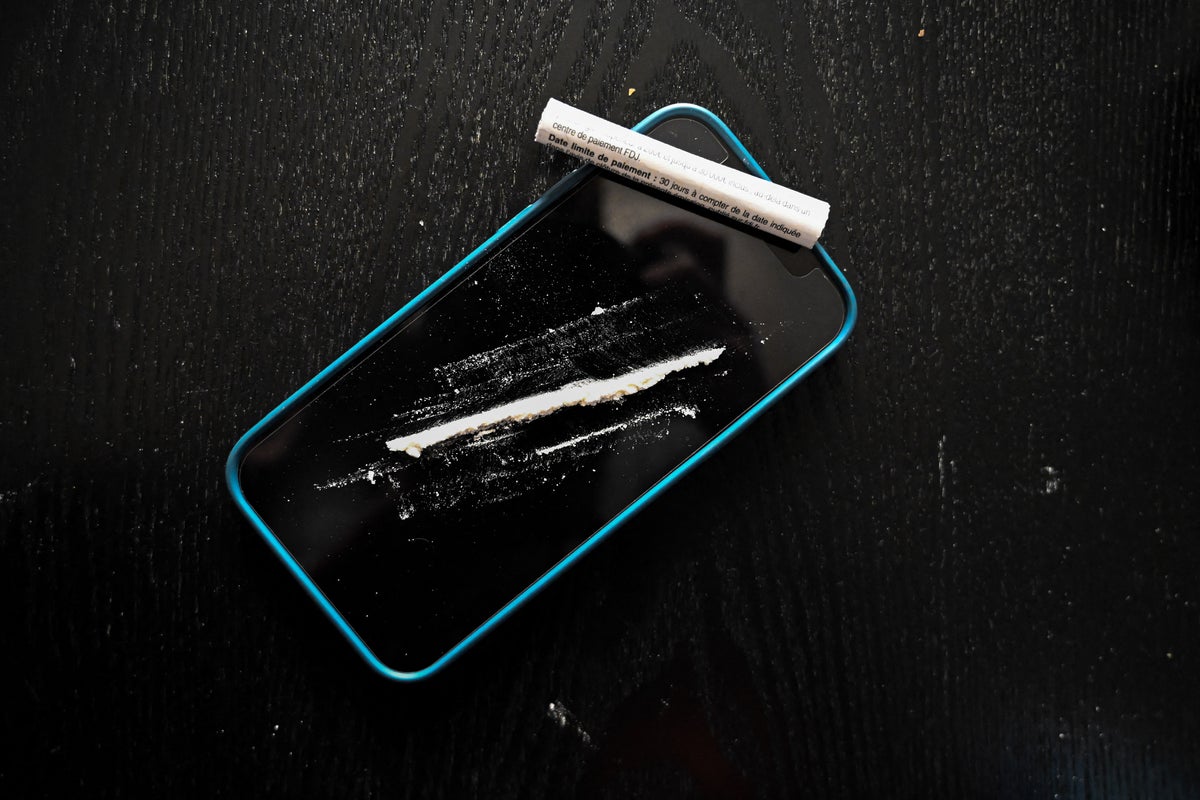
A recent investigation has revealed that hard drugs, including cocaine, heroin, and ecstasy, are being openly advertised on social media platforms and delivered by Canada Post. Conducted by CBC Ottawa and its French service, Radio-Canada, the weeks-long inquiry uncovered hundreds of advertisements promoting these substances on platforms such as Facebook and Instagram.
The investigation highlighted that these ads link to over a dozen websites where drugs can be purchased using credit cards and electronic transfers. Once ordered, these substances are delivered directly to consumers, often through Canada Post. One anonymous buyer shared his experience, saying, “So you have this ad, it looks professional. You go on the website and it’s very easy. It’s like on Amazon. You have many drugs, and you have cocaine.” He expressed disbelief at the accessibility of these products, noting his past struggles with addiction and the alarming ease with which he could order cocaine online.
According to the buyer, the package’s contents affirmed the reality of the situation. He remarked, “I opened the package and I was like, OK, it’s real. It’s real stuff, it’s real cocaine.” His testimony underscores the growing concern over the impact of such advertising on vulnerable individuals battling addiction.
Responses from Social Media and Postal Services
In response to the findings, Meta, the parent company of Facebook and Instagram, stated, “Content that attempts to buy, sell or trade illicit drugs is not allowed on our platforms.” The company mentioned that it had taken action to remove flagged ads and pages, disabled offending ad accounts, and restricted the administrators from future advertising.
Canada Post, on the other hand, assured the public that any illegal substances identified by their Postal Inspectors are reported to the appropriate authorities. A spokesperson for Canada Post said, “When our Postal Inspectors confirm that an item contains an illegal drug, they remove the item from the mail stream and turn it over to the police.”
The Royal Canadian Mounted Police (RCMP) confirmed their commitment to combating the sale of illicit drugs online. They stated they are “actively targeting individuals and networks profiting from the sale of illicit substances online,” indicating an ongoing effort to address this critical issue.
Impact on Vulnerable Individuals
As authorities work to curb drug advertising online, the ramifications for individuals struggling with addiction are serious. The anonymous buyer warned, “If you have addiction and you go on social media and you see this every day, and many times every day, it will keep you in this addiction.” This sentiment reflects a growing concern among health professionals regarding the accessibility of drugs through digital platforms and the potential for increased addiction rates.
The investigation by CBC Ottawa and Radio-Canada highlights a pressing challenge for Canadian authorities as they attempt to tackle the intertwining issues of social media advertising and drug distribution. The findings call for urgent measures to protect at-risk individuals from the dangers of easy access to hard drugs.

New Plans Unveiled for £1.5 Million Scottish Dark Sky Observatory

Jamie Redknapp Raises Doubts Over Semenyo’s Move to Manchester City

Mountain Lion Attack Claims Life of Medical Assistant in Colorado

16 Men Share Surprising Encounters That Challenge Sexual Norms

Chevron Negotiates License Expansion for Venezuelan Oil Exports

Popular Streamer Nadeshot Criticizes Cheating in ARC Raiders

Simple Lifestyle Changes That Could Add Years to Your Life

Billie Eilish Reveals Rare Look at Intricate Stomach Tattoo

Protesters Ignite Outrage in Minneapolis Following Fatal Shooting

Andrew Pierce Confirms Departure from ITV’s Good Morning Britain

Neurologist Warns Excessive Use of Supplements Can Harm Brain

Fiona Phillips’ Husband Shares Heartfelt Update on Her Alzheimer’s Journey

Brian Cox Addresses Claims of Alien Probe in 3I/ATLAS Discovery

Gogglebox Star Helena Worthington Announces Break After Loss

NASA Investigates Unusual Comet 3I/ATLAS; New Findings Emerge

Tess Daly Honoured with MBE, Announces Departure from Strictly

Scientists Examine 3I/ATLAS: Alien Artifact or Cosmic Oddity?

Lewis Cope Addresses Accusations of Dance Training Advantage
-
 Entertainment4 weeks ago
Andrew Pierce Confirms Departure from ITV’s Good Morning Britain
-
 Health4 months ago
Neurologist Warns Excessive Use of Supplements Can Harm Brain
-
 Health4 months ago
Fiona Phillips’ Husband Shares Heartfelt Update on Her Alzheimer’s Journey
-
 Science3 months ago
Brian Cox Addresses Claims of Alien Probe in 3I/ATLAS Discovery
-
 Entertainment3 weeks ago
Gogglebox Star Helena Worthington Announces Break After Loss
-
 Science3 months ago
NASA Investigates Unusual Comet 3I/ATLAS; New Findings Emerge
-
 Entertainment2 months ago
Tess Daly Honoured with MBE, Announces Departure from Strictly
-
 Science3 months ago
Scientists Examine 3I/ATLAS: Alien Artifact or Cosmic Oddity?
-
 Entertainment3 months ago
Lewis Cope Addresses Accusations of Dance Training Advantage
-

 World2 months ago
Bailey and Rebecca Announce Heartbreaking Split After MAFS Reunion
-

 Entertainment6 months ago
Kerry Katona Discusses Future Baby Plans and Brian McFadden’s Wedding
-

 Entertainment1 month ago
EastEnders Unveils Jasmine’s Identity as Cindy’s Life Hangs in the Balance