
Lifestyle
Laundry Detergents Adapt to Gen Z’s Love for Matcha and Cocktails

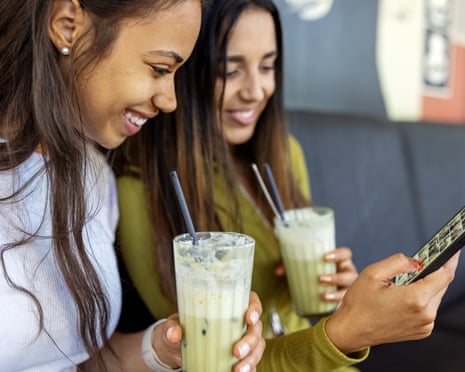
Laundry detergents are undergoing significant reformulations to address the stains left by popular beverages, particularly among younger consumers. In a notable shift, drinks like matcha lattes, Aperol spritz, and bubble tea have emerged as common culprits, prompting manufacturers to adapt their products. This trend reflects changing lifestyle choices, especially among Generation Z, who have embraced these vibrant beverages.
According to a recent survey by Unilever, which produces popular laundry brands like Persil and Surf, matcha has been designated as the “stain of the year.” The beverage earned this distinction after topping the inaugural “stains index,” a ranking that highlights new and emerging stains influenced by evolving cultural trends. The index aims to provide insights into the most pressing laundry challenges consumers face today.
Changing Stains Reflect Changing Lifestyles
The survey polled 2,000 adults in the UK, revealing that Gen Z is particularly prone to staining their clothes. Approximately 70% of this demographic reported experiencing stains on a weekly basis, compared to just 16% of baby boomers. Matcha led the list of stains encountered by Generation Z, with 39% of respondents noting persistent green marks, followed closely by Aperol stains at 38%.
The rise of social media has undoubtedly influenced these trends. Young consumers are increasingly attracted to visually appealing food and drinks, resulting in a higher volume of stains. Other notable stains in the index included hot sauces like sriracha at 34% and traditional stains such as red wine and curry sauce, both at 47%.
Donna Macnab, Unilever’s director of laundry research and development, explained that the vibrant pigments in drinks like matcha and Aperol make them particularly difficult to remove. “These bright colour pigments, such as chlorophyll in matcha, penetrate the fibres, making the drinks challenging to eliminate,” she noted.
Adapting Formulas for Modern Challenges
In response to these findings, Unilever has adjusted the formulas of its laundry products to effectively deal with these new types of stains. The company is not unfamiliar with reformulating its products in response to changing consumer habits. For instance, last year, Unilever launched the Persil Wonder Wash to address the musty odours associated with gym wear, a result of the increased time spent in athleisure clothing during remote work.
The stains index is set to be updated annually, allowing Unilever to monitor emerging stains continuously and adapt its products accordingly. This proactive approach highlights the importance of staying in tune with consumer behaviours and preferences, particularly as younger generations redefine traditional eating and drinking habits.
While the focus on modern stains may seem trivial, Macnab believes it offers valuable insights into contemporary lifestyles. She remarked, “The world of stains provides an interesting reflection on our routines and what we consume.”
As the popularity of matcha, cocktails, and other vibrant drinks continues to rise, both consumers and manufacturers must adapt to these new realities. This ongoing evolution within the laundry detergent industry underscores the dynamic nature of consumer habits and the innovative responses that can arise from them.

Newcastle United Triumphs 2-1 Over Fulham to Reach Carabao Cup Semis

Big Oil Avoids Mexico as Pemex Struggles with $100 Billion Debt

Disney Unveils Teaser Trailer for “The Muppet Show” Special

Study Links Body Fat and Muscle Mass to Brain Aging

British Star Revives Beethoven’s ‘Fidelio’ at Vienna State Opera

Albanese Skips Funeral for Youngest Bondi Attack Victim Matilda

PSG Clinches Intercontinental Cup with Penalty Shootout Triumph

Joey Barton Faces £600,000 Bill After Libel Case with Jeremy Vine

Montenegrin Emigrants in South African Forces: A Historical Overview

Neurologist Warns Excessive Use of Supplements Can Harm Brain

Fiona Phillips’ Husband Shares Heartfelt Update on Her Alzheimer’s Journey

Andrew Pierce Confirms Departure from ITV’s Good Morning Britain

Brian Cox Addresses Claims of Alien Probe in 3I/ATLAS Discovery

NASA Investigates Unusual Comet 3I/ATLAS; New Findings Emerge

Scientists Examine 3I/ATLAS: Alien Artifact or Cosmic Oddity?

Lewis Cope Addresses Accusations of Dance Training Advantage

Kerry Katona Discusses Future Baby Plans and Brian McFadden’s Wedding

NASA Investigates Speedy Object 3I/ATLAS, Sparking Speculation
-
 Health3 months ago
Neurologist Warns Excessive Use of Supplements Can Harm Brain
-
 Health4 months ago
Fiona Phillips’ Husband Shares Heartfelt Update on Her Alzheimer’s Journey
-
 Entertainment7 days ago
Andrew Pierce Confirms Departure from ITV’s Good Morning Britain
-
 Science2 months ago
Brian Cox Addresses Claims of Alien Probe in 3I/ATLAS Discovery
-
 Science2 months ago
NASA Investigates Unusual Comet 3I/ATLAS; New Findings Emerge
-
 Science2 months ago
Scientists Examine 3I/ATLAS: Alien Artifact or Cosmic Oddity?
-
 Entertainment2 months ago
Lewis Cope Addresses Accusations of Dance Training Advantage
-
 Entertainment5 months ago
Kerry Katona Discusses Future Baby Plans and Brian McFadden’s Wedding
-
 Science2 months ago
NASA Investigates Speedy Object 3I/ATLAS, Sparking Speculation
-

 Entertainment5 months ago
Emmerdale Faces Tension as Dylan and April’s Lives Hang in the Balance
-

 World3 months ago
Cole Palmer’s Cryptic Message to Kobbie Mainoo Following Loan Talks
-

 World1 month ago
Bailey and Rebecca Announce Heartbreaking Split After MAFS Reunion