
Politics
Labour Proposes Anti-Misogyny Courses for Boys, Sparks Outrage

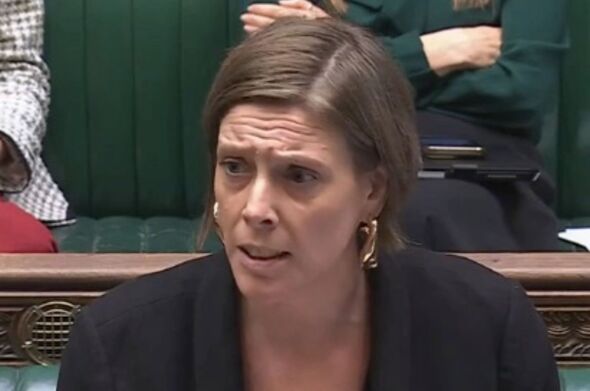
The UK Labour Party’s proposal to mandate anti-misogyny courses for boys as young as 11 has sparked significant controversy. Critics argue that this initiative, part of a broader strategy to reduce violence against women and girls (VAWG) by 50% within a decade, represents an overreach of state authority into family life and may conflict with religious institutions.
Jess Phillips, the Safeguarding Minister, announced plans that include mandatory lessons on healthy relationships, specialized training for teachers, and intervention programs for students exhibiting concerning behavior. While these measures primarily target secondary schools, the Home Office has indicated that pilot programs could extend to the final years of primary education.
During a discussion on the Daily Expresso podcast, host JJ Anisiobi criticized the proposal as a dystopian intrusion, labeling it an “Orwellian-sounding behaviour change programme.” Anisiobi expressed concern that such initiatives aim to tackle what are described as “challenging, deep-rooted misogynistic influences” but are unlikely to address the cultural problems that originate in the home.
Fellow commentator Gawain Towler, a board member of Reform UK, echoed these sentiments, questioning the identification of these influences and implying a role for parents and various religious institutions. He emphasized the potential for a “clash of civilisations” within the classroom, particularly in communities with traditional gender roles, such as strict Catholic, Orthodox Jewish, and Muslim groups.
Towler warned that the government’s approach may provoke a strong cultural backlash: “People will say: ‘It’s our culture. We like to segregate women… It’s our culture that they should wear a full veil, and the men impose that.’ To tackle that on a governmental level—starting at primary school—is going to be extremely difficult.”
Both commentators highlighted the ineffectiveness of classroom instruction against pervasive societal influences, such as drill music, online pornography, and social media. Anisiobi noted, “If a boy is misogynistic, he’s surely learning it from home.” They further criticized a growing trend of state intervention in parenting, with Towler stating, “The more the state decides it is our parent, the less civilised we seem to become.”
Anisiobi suggested that school reports should prompt parental reflection rather than state intervention. “If my son comes home and a letter says he’s been displaying misogynistic behaviour, that’s a note to me. It’s on the parent,” he asserted.
In response to the backlash, Prime Minister Keir Starmer defended the measures, asserting that “toxic ideas” often take root early and go unchallenged. Conversely, Kemi Badenoch, leader of the Conservative Party, dismissed the focus on 11-year-olds as a “complete distraction,” accusing Labour of being influenced by popular media rather than addressing the real perpetrators of violent crime.
As this debate unfolds, it raises critical questions about the role of education in addressing societal issues and the balance between state intervention and parental responsibility. The proposed courses will likely continue to be a contentious topic as discussions around cultural values and education evolve.

New Study Reveals Link Between Female MPs and Public Trust

Ferrari’s Vasseur Addresses Hamilton’s Struggles in First Season

Dubai and Abu Dhabi Experience Severe Flooding as Rainfall Records Shatter

Labour Faces Criticism for Cancelling Elections in 63 Councils

China Strengthens EV Market Position as U.S. and Europe Retreat

Victoria Beckham Vows to Keep Christmas Cheer Amid Family Feud

Physicists Discover Method to Create Axions in Fusion Reactors

Art Exhibition “Colors of Recovery” Showcases Healing Through Creativity

Tess Daly Celebrates Guinness Record Before Leaving Strictly Come Dancing

Neurologist Warns Excessive Use of Supplements Can Harm Brain

Fiona Phillips’ Husband Shares Heartfelt Update on Her Alzheimer’s Journey

Andrew Pierce Confirms Departure from ITV’s Good Morning Britain

Brian Cox Addresses Claims of Alien Probe in 3I/ATLAS Discovery

NASA Investigates Unusual Comet 3I/ATLAS; New Findings Emerge

Scientists Examine 3I/ATLAS: Alien Artifact or Cosmic Oddity?

Lewis Cope Addresses Accusations of Dance Training Advantage

Kerry Katona Discusses Future Baby Plans and Brian McFadden’s Wedding

NASA Investigates Speedy Object 3I/ATLAS, Sparking Speculation
-
 Health3 months ago
Neurologist Warns Excessive Use of Supplements Can Harm Brain
-
 Health4 months ago
Fiona Phillips’ Husband Shares Heartfelt Update on Her Alzheimer’s Journey
-
 Entertainment1 week ago
Andrew Pierce Confirms Departure from ITV’s Good Morning Britain
-
 Science2 months ago
Brian Cox Addresses Claims of Alien Probe in 3I/ATLAS Discovery
-
 Science2 months ago
NASA Investigates Unusual Comet 3I/ATLAS; New Findings Emerge
-
 Science2 months ago
Scientists Examine 3I/ATLAS: Alien Artifact or Cosmic Oddity?
-
 Entertainment2 months ago
Lewis Cope Addresses Accusations of Dance Training Advantage
-
 Entertainment5 months ago
Kerry Katona Discusses Future Baby Plans and Brian McFadden’s Wedding
-
 Science2 months ago
NASA Investigates Speedy Object 3I/ATLAS, Sparking Speculation
-

 Entertainment5 months ago
Emmerdale Faces Tension as Dylan and April’s Lives Hang in the Balance
-

 World3 months ago
Cole Palmer’s Cryptic Message to Kobbie Mainoo Following Loan Talks
-

 World1 month ago
Bailey and Rebecca Announce Heartbreaking Split After MAFS Reunion