
Science
AI Breakthrough Reduces Organ Transplant Waste by 60%

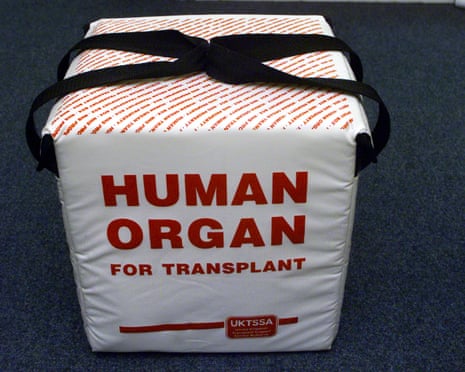
A new machine learning tool developed by researchers at Stanford University has the potential to reduce wasted efforts in organ transplantation by an impressive 60%. This breakthrough comes at a critical time when thousands of patients around the world await life-saving donor organs, with many more candidates on waiting lists than available organs.
The challenge has become particularly acute for those needing liver transplants. Recently, medical professionals have expanded access to donors who die after cardiac arrest. However, in approximately half of these cases, known as donations after circulatory death (DCD), transplants are ultimately cancelled. The strict requirement that the time between the removal of life support and death does not exceed 45 minutes often leads to organs being rejected, increasing the risk of complications for recipients.
The newly developed AI tool addresses this issue by predicting whether a donor is likely to die within the critical timeframe that preserves organ viability. According to Dr. Kazunari Sasaki, a clinical professor of abdominal transplantation and senior author of the study, “By identifying when an organ is likely to be useful before any preparations for surgery have started, this model could make the transplant process more efficient.”
Transformative Impact on Transplantation
Details of this innovative tool were published in the Lancet Digital Health journal, highlighting its potential to optimize organ utilization and reduce the financial and operational strain on transplant centers. Currently, hospitals primarily depend on surgeons’ judgments to estimate this critical timeframe, which can vary significantly. This often leads to unnecessary costs and resources being wasted when organs are prepared for recovery only to be deemed unsuitable.
The AI model was trained on data from over 2,000 donors across various transplant centers in the United States. It leverages a combination of neurological, respiratory, and circulatory data to provide a more accurate prediction of a donor’s progression towards death compared to previous models and human assessments.
In tests conducted both retrospectively and prospectively, the AI tool achieved a remarkable 60% reduction in futile procurements, significantly outperforming traditional predictions made by surgeons. Notably, it maintains its accuracy even when some donor information is missing.
A Future with Enhanced Organ Utilization
The implications of this research are profound. A reliable, data-driven tool could empower healthcare professionals to make more informed decisions, optimizing organ use while minimizing wasted efforts and costs. The research team emphasizes that this advancement represents a significant step forward in the transplantation field, showcasing “the potential for advanced AI techniques to optimize organ utilization from DCD donors.”
Looking ahead, the team plans to adapt the AI tool for trials involving heart and lung transplants, further expanding its potential applications in the medical field. As the demand for organ transplants continues to rise, innovations like this may well be the key to improving outcomes for both donors and recipients alike.

Niksic Celebrates Cultural Legacy with Folklore Milestone

NLC Demands Urgent Wage Adjustments Amid Rising Living Costs

‘One Battle After Another’ Triumphs with Six Oscars at 98th Academy Awards

Rainy Monday in Alton Clears for Sunshine by Midweek

Residents Push for New Supermarket in Overcrowded Town

Jimmy Kimmel Critiques Trump at 98th Academy Awards Ceremony

Young People Face Job Market Challenges Due to Health Issues

Stars Shine at the 2026 Oscars: Adorable Couples Take Center Stage

Brooklyn Beckham Faces Backlash for Mother’s Day Message Snub

Andrew Pierce Confirms Departure from ITV’s Good Morning Britain

Coronation Street Reveals Audrey Roberts’ Absence Explained

Fiona Phillips’ Husband Shares Heartfelt Update on Her Alzheimer’s Journey

Gogglebox Star Helena Worthington Announces Break After Loss

Neurologist Warns Excessive Use of Supplements Can Harm Brain

Brian Cox Addresses Claims of Alien Probe in 3I/ATLAS Discovery

NASA Investigates Unusual Comet 3I/ATLAS; New Findings Emerge

EastEnders Welcomes Back Mark Fowler Jr. with New Actor

Tess Daly Honoured with MBE, Announces Departure from Strictly
-
 Entertainment6 months ago
Andrew Pierce Confirms Departure from ITV’s Good Morning Britain
-
 Entertainment3 months ago
Coronation Street Reveals Audrey Roberts’ Absence Explained
-
 Health10 months ago
Fiona Phillips’ Husband Shares Heartfelt Update on Her Alzheimer’s Journey
-
 Entertainment6 months ago
Gogglebox Star Helena Worthington Announces Break After Loss
-
 Health9 months ago
Neurologist Warns Excessive Use of Supplements Can Harm Brain
-
 Science8 months ago
Brian Cox Addresses Claims of Alien Probe in 3I/ATLAS Discovery
-
 Science8 months ago
NASA Investigates Unusual Comet 3I/ATLAS; New Findings Emerge
-
 World5 months ago
EastEnders Welcomes Back Mark Fowler Jr. with New Actor
-
 Entertainment7 months ago
Tess Daly Honoured with MBE, Announces Departure from Strictly
-

 Health4 months ago
Gyles Brandreth Shares Heartfelt Journey Following Grandson’s Cancer Diagnosis
-

 Entertainment10 months ago
Major Cast Changes at Coronation Street: Exits and Returns in 2025
-

 World7 months ago
EastEnders’ Nicola Mitchell Faces Life-Changing Pregnancy Twist