
Science
Armagh Observatory Celebrates 230 Years of Weather Recordings

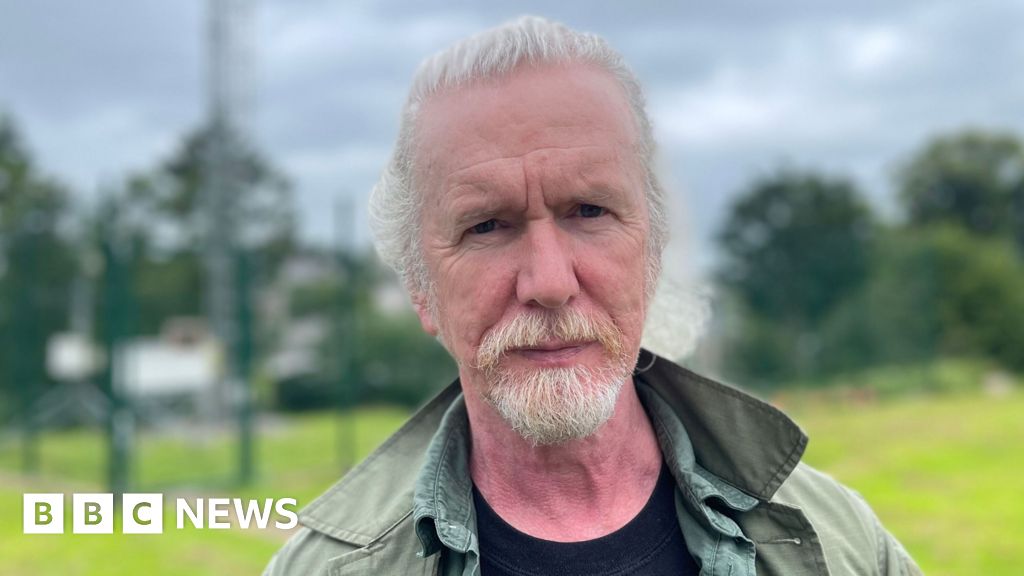
Armagh Observatory is commemorating a remarkable achievement in meteorology, as it marks 230 years of continuous weather observation. This milestone makes the observatory the longest-running source of handwritten weather data in the UK and Ireland. To celebrate this significant occasion, a series of events will take place at the observatory on Monday.
Unlike many modern facilities that rely solely on automated weather stations, Armagh continues to uphold a tradition of manual data collection. The observatory’s weather records date back to the evening of 14 July 1795, when the first measurements of temperature and air pressure were recorded. Since then, this practice has continued daily without interruption, marking a unique legacy in scientific history.
Continuity and Change in Weather Observation
Shane Kelly, the principal meteorological observer at Armagh, has been instrumental in maintaining this tradition since 1999. His daily routine involves opening the Stevenson screen, which houses sensitive thermometers, and meticulously noting his readings in a handwritten ledger. With over 25 years of experience, Kelly has documented more weather data than any of his 17 predecessors.
Reflecting on his role, Kelly stated, “You’re kind of ingrained in the infrastructure almost. The observatory is astronomy, it is also meteorology, and after many years I feel like I’m part of the brickwork.” He has observed noticeable shifts in weather patterns over the years, noting that “the seasons aren’t quite as clearly cut as they used to be.” He described the current climate as resembling “one long season with two days of snow here and a few days of sun there.”
The data collected at Armagh provides a valuable historical record that coincides with the early days of meteorology as a science. The observatory’s records began just eight years before the publication of Luke Howard’s influential work, “Essay on the Modification of Clouds,” which introduced the modern naming system for clouds still in use today. The Armagh records also include significant events in meteorological history, such as descriptions of major auroras and the first documented sightings of noctilucent clouds.
A Legacy of Innovation and Contribution
One notable entry from the observatory details a “tremendous gale” on 6 January 1839, which was understated compared to the storm’s devastating impact, reportedly resulting in the deaths of between 250 and 300 people. This event, among others, has contributed to the observatory’s historical significance.
In 1908, when pension schemes were introduced for seniors in Ireland, the memory of Oíche na Gaoithe Móire (the Night of the Big Wind) served as a qualifying question for individuals without birth certificates. The observatory’s third director, Romney Robinson, also contributed to meteorological innovation by creating the four-cup anemometer, which accurately measures wind speed. Dr. Rok Nežič, the tours and outreach officer, explained that although earlier devices existed, they lacked accuracy. Robinson’s invention remains in use today, highlighting the observatory’s enduring influence on the field.
While the majority of weather observation has been conducted by men, one remarkable figure stands out—Theresa Hardcastle. In 1917, she arrived in Armagh with her children when her husband, Joseph, was appointed director. Following his untimely death before he could join her, Theresa took on the responsibility of recording daily weather observations. Jessica Moon from the observatory describes her as the “unsung hero” of the Armagh story, emphasizing that “nobody would have expected her to do that. That wasn’t her role at all.”
As the observatory looks to the future, it continues to attract a diverse range of observers. Current director Professor Michael Burton emphasizes the importance of hands-on data collection as a vital part of training for PhD students. He stated, “The process of measurement itself is the heart of science… The process of getting hands-on—of getting dirty with the data—is a key part in understanding what’s out there.”
The ongoing commitment to manual weather observation at Armagh ensures that the connection to the past remains strong. As the observatory celebrates its 230th anniversary, it not only honors its rich history but also lays the groundwork for future generations of scientists and meteorologists to continue this vital work.

Niksic Celebrates Cultural Legacy with Folklore Milestone

NLC Demands Urgent Wage Adjustments Amid Rising Living Costs

‘One Battle After Another’ Triumphs with Six Oscars at 98th Academy Awards

Rainy Monday in Alton Clears for Sunshine by Midweek

Residents Push for New Supermarket in Overcrowded Town

Jimmy Kimmel Critiques Trump at 98th Academy Awards Ceremony

Young People Face Job Market Challenges Due to Health Issues

Stars Shine at the 2026 Oscars: Adorable Couples Take Center Stage

Brooklyn Beckham Faces Backlash for Mother’s Day Message Snub

Andrew Pierce Confirms Departure from ITV’s Good Morning Britain

Coronation Street Reveals Audrey Roberts’ Absence Explained

Fiona Phillips’ Husband Shares Heartfelt Update on Her Alzheimer’s Journey

Neurologist Warns Excessive Use of Supplements Can Harm Brain

Gogglebox Star Helena Worthington Announces Break After Loss

Brian Cox Addresses Claims of Alien Probe in 3I/ATLAS Discovery

NASA Investigates Unusual Comet 3I/ATLAS; New Findings Emerge

EastEnders Welcomes Back Mark Fowler Jr. with New Actor

Tess Daly Honoured with MBE, Announces Departure from Strictly
-
 Entertainment5 months ago
Andrew Pierce Confirms Departure from ITV’s Good Morning Britain
-
 Entertainment2 months ago
Coronation Street Reveals Audrey Roberts’ Absence Explained
-
 Health8 months ago
Fiona Phillips’ Husband Shares Heartfelt Update on Her Alzheimer’s Journey
-
 Health8 months ago
Neurologist Warns Excessive Use of Supplements Can Harm Brain
-
 Entertainment5 months ago
Gogglebox Star Helena Worthington Announces Break After Loss
-
 Science7 months ago
Brian Cox Addresses Claims of Alien Probe in 3I/ATLAS Discovery
-
 Science7 months ago
NASA Investigates Unusual Comet 3I/ATLAS; New Findings Emerge
-
 World4 months ago
EastEnders Welcomes Back Mark Fowler Jr. with New Actor
-
 Entertainment6 months ago
Tess Daly Honoured with MBE, Announces Departure from Strictly
-

 Health3 months ago
Gyles Brandreth Shares Heartfelt Journey Following Grandson’s Cancer Diagnosis
-

 World6 months ago
EastEnders’ Nicola Mitchell Faces Life-Changing Pregnancy Twist
-

 Health8 months ago
TOWIE Couple Sophie Kasaei and Jordan Brook Pursue Fertility Treatment Abroad