
Health
High-Fat Cheese Linked to Lower Dementia Risk, Study Finds

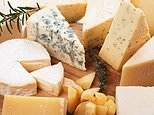
New research indicates that consuming high-fat cheeses, such as brie, may significantly reduce the risk of developing dementia. A study conducted by Swedish researchers tracked the health and dietary habits of over 27,000 middle-aged adults for 25 years, revealing promising correlations between high-fat dairy intake and cognitive health.
The study found that individuals who consumed approximately 20 grams of high-fat cream daily, equivalent to about one and a half tablespoons, exhibited a 16 percent lower risk of dementia compared to those who did not consume high-fat cream. Likewise, participants who ate around 50 grams of cheese each day experienced a 13 percent reduction in dementia risk compared to those who limited their intake to less than 15 grams daily.
Study Findings on High-Fat Dairy and Cognitive Health
Researchers noted that high-fat cheeses, defined as those containing more than 20 percent fat, include varieties such as cheddar, parmesan, and stilton. Professor Emily Sonestedt, an expert in nutrition and public health at Lund University and co-author of the study, stated, “Our study found that some high-fat dairy products may actually lower the risk of dementia, challenging some long-held assumptions about fat and brain health.”
The findings were published in the journal Neurology, where scientists reported that the participants who consumed more high-fat cheese had a remarkable 29 percent lower risk of vascular dementia, the second most common form of dementia after Alzheimer’s. This form of dementia is caused by reduced blood flow to the brain, which damages brain cells.
Further analysis indicated a lower risk of Alzheimer’s among individuals who consumed more high-fat cheese, but this was primarily observed in those without the APOE e4 gene variant, a known genetic risk factor for Alzheimer’s disease.
While these findings are noteworthy, experts not involved in the research have urged caution. Professor Naveed Sattar from the University of Glasgow cautioned that the observational nature of the study limits definitive conclusions. He emphasized that those who consumed more high-fat cheese and cream tended to have higher education levels, which could correlate with other healthy lifestyle choices contributing to lower dementia rates.
Contextualizing the Findings and Recommendations
Experts agree that maintaining a healthy weight, managing alcohol consumption, and controlling blood pressure are critical in reducing dementia risk. Professor Tara Spires-Jones, Director of the Centre for Discovery Brain Sciences at the University of Edinburgh, highlighted the need for a balanced approach to diet and lifestyle changes, noting that “strong evidence from across the field indicate that healthy diet, exercise, and cognitively stimulating activities can boost brain resilience to diseases that cause dementia.”
Dementia currently affects approximately one in eleven people over the age of 65 in the United Kingdom, claiming around 76,000 lives annually and costing the UK economy a staggering £42 billion each year. The Alzheimer’s Society predicts that this figure could double by 2040.
In light of these findings, the Daily Mail has initiated the Defeating Dementia campaign, in collaboration with the Alzheimer’s Society, to enhance awareness, diagnosis, and care for dementia. Researchers suggest that nearly 45 percent of all dementia cases may be preventable, highlighting the importance of proactive health measures to prolong healthy living.
This study opens a conversation around dietary fat’s role in brain health, yet further research is essential to clarify the relationship between high-fat dairy consumption and dementia risk.

Interstellar Comet 3I/ATLAS Approaches Earth, Captivating Scientists

Clinical Centre Suspends Patient Visits Amid Flu Season Concerns

Flood Alerts Issued for Gloucestershire as Heavy Rain Approaches

Montenegro’s Clinical Center Suspends Patient Visits Amid Health Concerns

Domestic Tourism in Scotland Sees Growth, Sparking Optimism

Holiday Dream Turns to Nightmare After Assault by Hotel Staff

Atom Computing Advances Neutral-Atom Quantum Computing Techniques

Spalding Police Arrest Man for Alleged Class A Drug Offense

Police Launch Search for Missing Woman Who Disappeared at Night

Neurologist Warns Excessive Use of Supplements Can Harm Brain

Fiona Phillips’ Husband Shares Heartfelt Update on Her Alzheimer’s Journey

Andrew Pierce Confirms Departure from ITV’s Good Morning Britain

Brian Cox Addresses Claims of Alien Probe in 3I/ATLAS Discovery

NASA Investigates Unusual Comet 3I/ATLAS; New Findings Emerge

Scientists Examine 3I/ATLAS: Alien Artifact or Cosmic Oddity?

Lewis Cope Addresses Accusations of Dance Training Advantage

Kerry Katona Discusses Future Baby Plans and Brian McFadden’s Wedding

NASA Investigates Speedy Object 3I/ATLAS, Sparking Speculation
-
 Health3 months ago
Neurologist Warns Excessive Use of Supplements Can Harm Brain
-
 Health4 months ago
Fiona Phillips’ Husband Shares Heartfelt Update on Her Alzheimer’s Journey
-
 Entertainment7 days ago
Andrew Pierce Confirms Departure from ITV’s Good Morning Britain
-
 Science2 months ago
Brian Cox Addresses Claims of Alien Probe in 3I/ATLAS Discovery
-
 Science2 months ago
NASA Investigates Unusual Comet 3I/ATLAS; New Findings Emerge
-
 Science2 months ago
Scientists Examine 3I/ATLAS: Alien Artifact or Cosmic Oddity?
-
 Entertainment2 months ago
Lewis Cope Addresses Accusations of Dance Training Advantage
-
 Entertainment5 months ago
Kerry Katona Discusses Future Baby Plans and Brian McFadden’s Wedding
-
 Science2 months ago
NASA Investigates Speedy Object 3I/ATLAS, Sparking Speculation
-

 Entertainment5 months ago
Emmerdale Faces Tension as Dylan and April’s Lives Hang in the Balance
-

 World3 months ago
Cole Palmer’s Cryptic Message to Kobbie Mainoo Following Loan Talks
-

 World1 month ago
Bailey and Rebecca Announce Heartbreaking Split After MAFS Reunion